

























































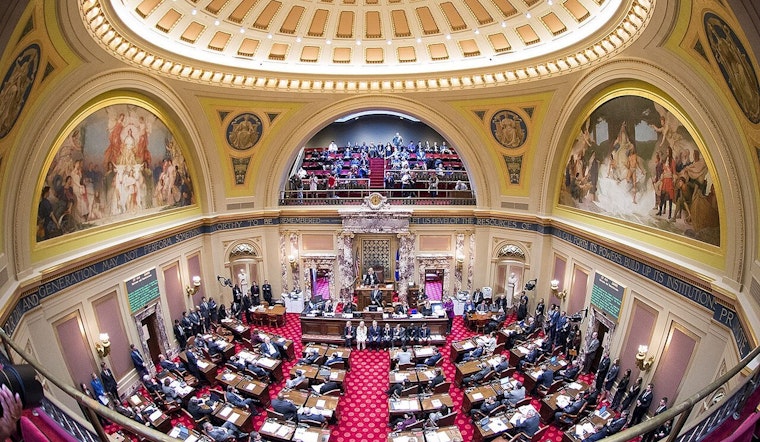
As the federal government shutdown lingers into its third week, its crippling effects stretch out to touch the most vulnerable in Minnesota. The state's Department of Children, Youth, and Families (DCYF) has been caught in the crossfire, now directing counties to halt the approval of new Supplemental Nutrition Assistance Program (SNAP) applications as of Wednesday evening. As reported by the Senate DFL, without a swift resolution, they fear there will not be enough funds to cover the SNAP benefits come November.
"We are at the start of the third week of the Republicans’ government shutdown, and already it’s starting to have real effects on the lives of Minnesotans in need," Senate Majority Leader Erin Murphy expressed her concerns. With the suspension potentially delaying aid, Murphy criticized the federal leadership, stating, "Pausing even a single day of applications for SNAP benefits could delay approval for hungry kids and families who don’t have a day to spare." She further pointed the finger at Donald Trump and Congressional Republicans for the stagnation, "who cut rich people’s taxes, and have now shut down the government instead of passing tax credits for affordable health insurance." This dire situation highlights the immediate need for negotiation and action to alleviate the burden on working families.
At the heart of this issue is the day-to-day sustenance of approximately 450,000 Minnesotans who rely on SNAP for food. For them, this aid translates to about $5 a day, a small sum overlooked in political tug-of-wars. Senate Health and Human Services Committee Chair Melissa Wiklund weighed in, acknowledging the larger role these programs play beyond mere nutrition. "Nutritional programs like SNAP uplift our low-income working-class neighbors and ensure that they can put food on the table, as well as supporting local businesses through their use of benefits," said Wiklund, emphasizing the deep community impact these funds hold.
The stakes are starkly outlined by the Senate DFL, stating that inaction could mean 45,000 Minnesotans stand to lose their benefits. The present funding gaps endured by the state are not enough to absorb such a blow, "we must reopen these critical programs to ensure every Minnesotan receives the nutrition they need and deserve," Wiklund underscored.





