

























































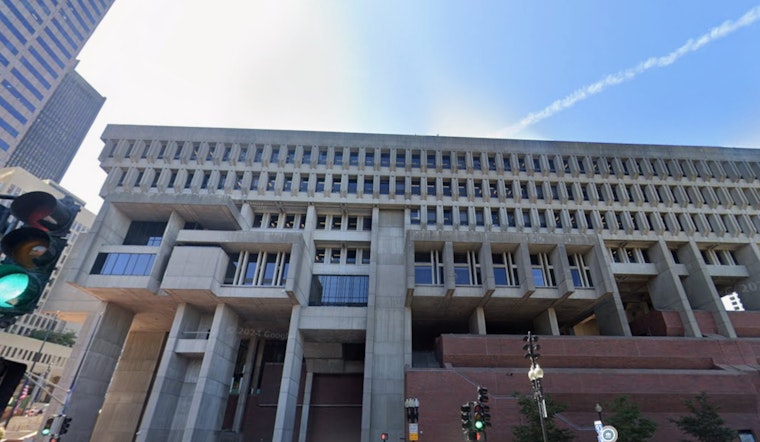
Big changes are coming to Downtown Boston as local officials aim to rejuvenate the city's core. After 30 years, the Boston Zoning Commission has approved a new set of zoning rules aimed at stimulating growth and investment in the downtown area. As reported by the City of Boston's official website, the focus of the new zoning is clear — to bolster housing development, support an increase in mixed-use projects, and ensure that Downtown Boston retains its vitality.
Mayor Michelle Wu touted the updates, which include safeguarding historic sites and paving the way for office-to-residential conversions. In a statement obtained by the City of Boston's official website, Mayor Wu said, "This updated zoning brings predictability and historic protections to the downtown core, encouraging new housing and investment to continue revitalizing Downtown.” These changes come as a direct response to the shift in dynamics caused by the pandemic, with more people working remotely, which resulted in a decline in foot traffic.
Chief of Planning Kairos Shen highlighted the plan's intent to address the post-pandemic reality. According to a City of Boston's official website interview, Shen described the new zoning as a pivotal component of the effort to reimagine Downtown from mere commercial space to a vibrant mixed-use neighborhood. "Together with our Office to Residential Conversion program, this new zoning, which builds directly off of our planning work, will maximize our options to reinvest in Downtown and create the vitality that is critical to its long-term success," Shen told the planning department’s website.
The new regulations emphasize the importance of residential development, particularly making it legal across new zoning districts, contrasting with larger hotel, lab, and office projects which will require additional zoning approvals. The zoning also addresses the city's need for further diversification in its business offerings, eliminating outdated restrictions to foster a variety of businesses, including coffee shops, bakeries, and fitness studios. The President of the Downtown Boston Alliance, Michael J. Nichols, lauded the move, suggesting that it marks the beginning of a new, transformative era for downtown. He told the City of Boston's official website, “The adoption of new zoning for Downtown is a watershed moment in the neighborhood’s needed adaptation to the post-pandemic ‘new normal,’ and will usher in a transformative era of investment and improvement.”
A foundational aspect of this zoning overhaul is the continued support for historical preservation, setting guidelines for the conversion of old buildings while ensuring that new developments don't compromise the integrity of historic sites, including cast shadows on protected landmarks like the Boston Common and Public Garden. The new zoning policy, part of the PLAN: Downtown initiative launched in 2018, seems poised to reshape the way Bostonians live, work, and interact with their city's heart.





