

























































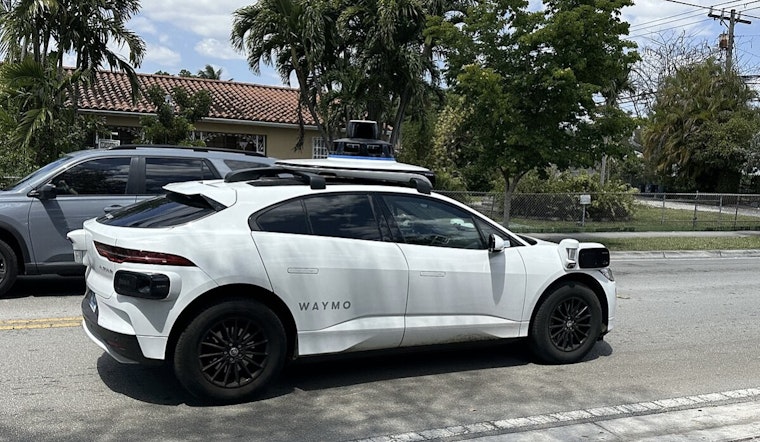
The National Highway Traffic Safety Administration is looking closer at Waymo after one of its autonomous vehicles was caught on video skirting around a stopped school bus in Atlanta, Georgia. The incident involved the robotaxi maneuvering past the bus as it unloaded children. It has spurred a federal investigation into Waymo's self-driving software, particularly how it reacts to stopped school buses. The NHTSA's Office of Defects Investigation (ODI) initiated the probe in response to footage from early October, highlighting the potential for prior similar incidents given the autonomous fleet's nationwide activity.
Waymo, a leader in the driverless vehicle space, is expanding its operations, with robotaxis now navigating the streets of Atlanta, Austin, Silicon Valley, and test zones in other metro areas, including New York City, despite their recent mishap with the school bus as reported by TechCrunch. The company maintains that safety is paramount, stating, "Safety is our top priority, as we provide hundreds of thousands of fully autonomous paid trips every week in some of the most challenging driving environments in the U.S.," however, the recent incident, along with the expansion, underscores the challenges facing autonomous driving systems when encountering complex traffic scenarios that may not yet be fully understood by artificial intelligence.
According to a San Francisco Chronicle report, this is not the first time Waymo's navigation of public roadways has been scrutinized; last year, the NHTSA investigated Waymo's autonomous vehicles for improper lane driving and entering construction zones. These earlier probes culminated in a May recall, which Waymo addressed with a software update to ensure that roadway barriers like gates and chains would no longer confound its vehicles.
While Waymo's fifth-generation automated driving system has exceeded 100 million miles on roads nationally, incidents like the one in Atlanta lay bare the nuanced challenges of replacing human judgment with machine learning. As detailed by transportation researcher Matthew Raifman in a statement per the San Francisco Chronicle, "It is absolutely possible for a vehicle to come off a side street or driveway, at a T-intersection with the right side of a school bus, and not see the extended flashing stop sign on the left side," highlighting the stark difference between machine processing and human contextual understanding even as legislators work to align traffic violation protocols with the nascent technology of self-driving cars.




