

























































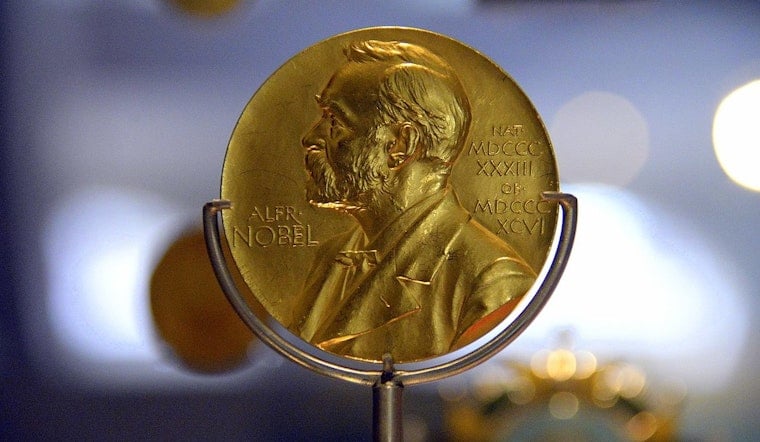
The Nobel Prize in Medicine for 2025 has been awarded to a distinguished trio of scientists for their groundbreaking work on peripheral immune tolerance, according to a press release from the Nobel Assembly. The winners, two Americans, Mary E. Brunkow and Fred Ramsdell, and one Japanese, Dr. Shimon Sakaguchi, have been recognized for contributions that have profoundly advanced our understanding of the immune system and opened the door to novel treatments for autoimmune diseases and cancer. Brunkow is a senior program manager at the Institute for Systems Biology, and Ramsdell is a scientific adviser at Sonoma Biotherapeutics. Sakaguchi represents the international contingent from Japan as a distinguished professor at Osaka University's Immunology Frontier Research Center.
As detailed by NBC Chicago, the laureates have expanded on the traditional concept of the immune system's role in combating pathogens. Through their collective research, scientists now understand the role of a specific T cell subtype, known as regulatory T cells, in maintaining the body's equilibrium and preventing it from turning on itself. Celebrating his roots, Ramsdell, hailing originally from Elmhurst and now aged 64, shares this honor with his peers. Brunkow, also 64, has made parallel strides in identifying the significant workings of the Foxp3 gene linked to a human autoimmune disease.
According to a NBC News report, Sakaguchi's discovery in 1995 of regulatory T cells was the pillar upon which subsequent breakthroughs were built. His work, complemented by Brunkow and Ramsdell's later discovery of a key mutation in the Foxp3 gene in 2001, has unveiled a crucial mechanism by which these T-regs put a check on other immune cells that could cause damage through overreaction. "Their discoveries have been decisive for our understanding of how the immune system functions and why we do not all develop serious autoimmune diseases," affirmed Olle Kämpe, chair of the Nobel Committee.
The significance of this year's Nobel Prize in Medicine cannot be overstated, as it highlights the tireless journey of scientists seeking answers to complex biological questions that impact human health. "This may also lead to more successful transplantations. Several of these treatments are now undergoing clinical trials," the Nobel Assembly emphasized in their release, as obtained by NBC News. Even though Thomas Perlmann, Secretary-General of the Nobel Committee, reached out to the laureates, including Dr. Sakaguchi by phone, who "expressed that it was a fantastic honor," voicemails were left for the American laureates. The trio is set to share the prize money of 11 million Swedish kronor (nearly $1.2 million).
Looking ahead, the world anticipates further Nobel announcements with the physics prize set for Tuesday, chemistry on Wednesday, and literature on Thursday. The Nobel Peace Prize will take place on Friday, with the economic sciences to follow on Oct. 13. The award ceremony is scheduled for Dec. 10, marking the anniversary of the death of Alfred Nobel, the Swedish industrialist behind the Nobel organization.



_who_discovered_Penicillin._On_display_at_the_National_Museum_of_Scotland.jpg)