

























































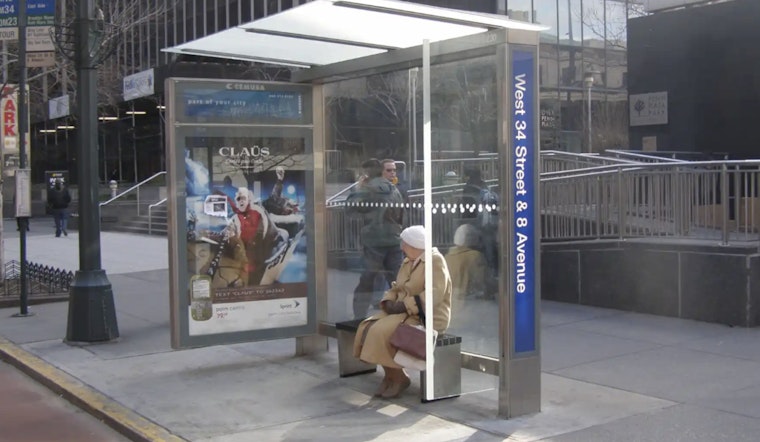
New York City Mayor Eric Adams, alongside the Department of Transportation Commissioner Ydanis Rodriguez, has announced the allocation of $40 million toward the installation of seating at bus stops across the city's five boroughs. This funding aims to make transportation more accessible for seniors, parents with young children, and individuals with disabilities. According to the NYC Mayor's Office, the project will initiate in November, with the intention of equipping approximately 875 bus stops with benches or leaning bars each year over the next decade.
Currently, nearly two-thirds of the eligible 8,750 bus stops in New York lack seating, a situation that's about to change. “To make New York City the best place to raise a family, and grow old in we have to take care of the big things and the small things,” Mayor Adams was quoted saying. Providing universal bus stop seating is expected to not just improve comfort but also safety, according to the NYC Mayor's Office.
The DOT, tasked with the maintenance of over 2,600 seating installations at various locations, emphasizes that the project will cater to all New Yorkers. DOT Commissioner Rodriguez outlined the importance of having a place to sit as sometimes essential for accessing bus services. This sentiment was echoed by Christine Serdjenian Yearwood, UP-STAND's founder and CEO, who in a statement obtained by the NYC Mayor's Office, highlighted that additional bus stop seating will “decrease children's exposure to moving traffic and enable pregnant and disabled riders the respite they need to travel safely." Jolyse Race from Riders Alliance also endorsed the initiative, calling for respect for bus riders through the provision of "a safe, comfortable place to wait for service."
The implementation of new seating is part of a broader commitment to reduce traffic-related fatalities, a mission that appears to be bearing fruit. Traffic fatalities have decreased 24 percent in Fiscal Year 2025, reports state, with significant declines in fatalities among motorized two-wheelers, motor vehicle occupants, and pedestrians. These results mirror the objectives of New York City’s Vision Zero initiative and the Safe Streets for Seniors program, which focus on street safety for all user groups.





