

























































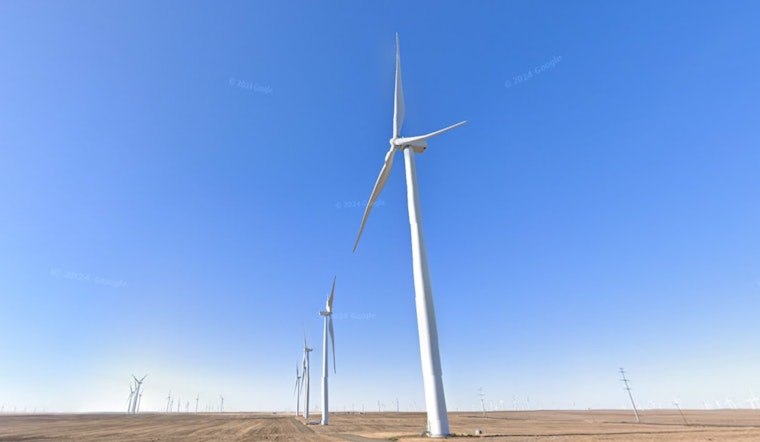
On a decisive move to bolster Oregon's green energy landscape, Governor Tina Kotek enacted Executive Order 25-25, pushing state entities to hasten the implementation of wind and solar initiatives to meet imperative federal tax credit deadlines. The governor's directive, as reported by the Oregon Newsroom, instructs Oregon's state agencies, boards, and commissions to expedite their review and permitting processes for these renewable projects, emphasizing the urgency to commence construction by July 4, 2026, to leverage the full benefits of federal Investment Tax Credit (ICT) and Production Tax Credit (PTC).
This strategic order emerges against a backdrop of federal clean energy tax credits nearing their expiration, which places a substantial onus on states to act promptly; projects that fail to break ground by the set deadline may miss out on federal incentives unless operational by December 31, 2027. According to Governor Kotek's words in the executive order, Oregon is engaging in a high-stakes race against climate change and the hindrances placed by the previous federal administration, understanding that "every wind and solar project we help complete now directly fights the irreversible climate damage we're racing to prevent."
The stakes are high especially as Oregonians grapple with increasing energy costs and the burdens of climate change; Nora Apter, Oregon Director for Climate Solution, commended the governor's decision in a statement obtained by Oregon Newsroom saying, "By moving swiftly to get as many wind and solar projects across the finish line as possible before the loss of federal tax credits, Governor Kotek is defending Oregon families, family-wage jobs, and energy resilience against these senseless attacks." It's a sentiment echoing through the halls of policymaking and into the industries dependent on the stipulated tax benefits designed to offset the cost and facilitate the transition towards renewable sources of power.
With the executive order now in effect, Oregon joins a critical effort to ensure its renewable energy frameworks can secure substantial government incentives before they are poised to fade away, promising cleaner, more affordable electricity; this aligns with the vision of maintaining competitive edge whilst answering the state's spiraling energy demands. Apter's remarks underscore the urgency and practicality of Kotek's measure claiming that "today’s action will help ensure that renewable energy projects can capture critical federal incentives before they disappear – keeping Oregon competitive and able to power our state’s growing energy demands with clean, affordable electricity."





