

























































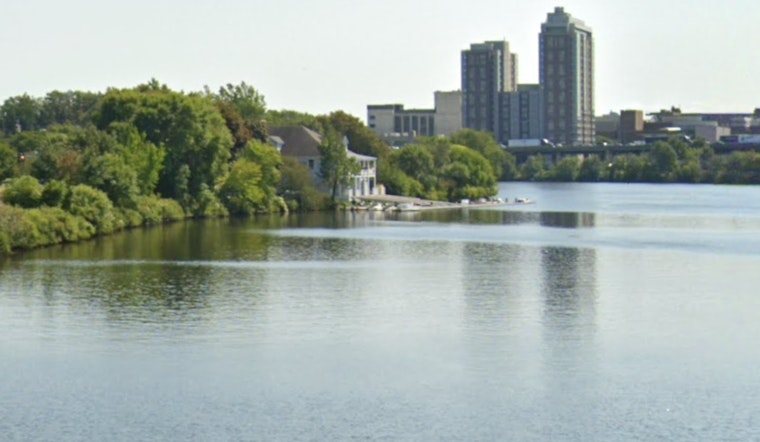
Boston's water woes continue as a public health advisory warns residents to steer clear of the Charles River due to a concerning cyanobacteria bloom. The Boston Public Health Commission (BPHC) has sounded the alarm that the problematic algae, known for producing harmful toxins, has spread downstream of the Cambridge Street bridge. This development comes after an initial alert was issued on August 1, cautioning against algae in the river downstream of the Harvard Bridge, as detailed in a release on the city's website.
For those thinking of taking a dip, casting a line, or engaging in watersports, it's a hard no-go in the affected areas. Health officials have advised against swimming, fishing, and boating activities, pointing to a risk of sickness from toxin exposure. And pet owners, take special note: these algae blooms could pose a serious threat to your furry friends, particularly if they ingest or come into contact with contaminated water, or lick off the toxic scum from their fur, the city's announcement warned.
The toxins created by these cyanobacteria blooms have a rap sheet that includes skin and eye irritation, respiratory issues, and in particularly nasty cases, harm to the liver, kidneys, or nervous system. More acutely, symptoms can manifest as gastrointestinal distress – think vomiting or diarrhea post-swimming. And, these health threats are more insidious for children and pets due to their smaller size, potentially leading to more severe complications, the Boston Public Health Commission elaborates.
The Massachusetts Department of Public Health (DPH) is on the case, monitoring the blooms and ready to analyze water samples once they back down. To lift the advisory, the DPH needs to see two consecutive weeks of samples falling below the danger threshold of 70,000 cells/milliliter. Until then, the community will have to sit tight, the city's notice states.
In the meantime, if you find yourself or your pet unfortunate enough to make contact with the river's compromised waters, it's critical to rinse off immediately to mitigate any potential effects. Those needing more information, or looking to address concerns, can reach out to the Environmental and Occupational Health Division of the Boston Public Health Commission at (617) 534-5965.



