

























































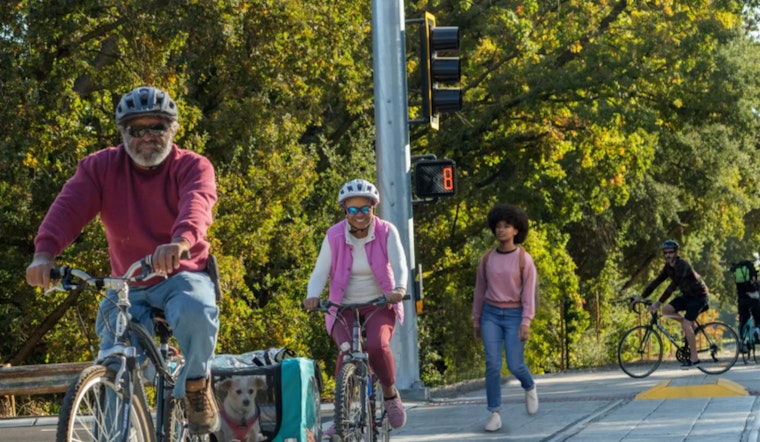
Getting around Sacramento on foot or by bike is set to become a smoother and more enjoyable prospect. The City Council recently heard an update on the expansion of the City's network of shared-use paths, those off-street arteries reserved exclusively for non-automotive traffic.
Aiming to reduce car dependency, the Department of Public Works detailed the progress on various path projects, which, when complete, will ensure Sacramento residents can more easily navigate the city. According to the Sacramento City Express, Jennifer Donlon Wyant, the City's Mobility and Sustainability Division Manager, emphasized that these efforts are part of a commitment to a healthier Sacramento, where people of all ages and abilities can get to school, work, or play, while contributing to the city's climate objectives.
The burgeoning network already boasts about 88 miles of paths, with plans to roll out another 113 miles, strategically developed via the City's Transportation Priorities Plan. This blueprint not only seeks to improve air quality and health but also anchors its intentions in equity—ensuring that expanding connectivity doesn't stray from inclusiveness.
Two focal points of this expansion are the Two Rivers Trail and the Sacramento River Parkway. Once finished, these corridors will stitch together neighborhoods along the American and Sacramento rivers, enhancing access to the city's parks, educational institutions, and economic centers, as shared by city staff. However, with each new mile, the financial load increases by approximately $31,000 annually for upkeep involving pavement maintenance, landscaping, and park ranger support, creating an undercurrent of fiscal challenges amidst this growth, as mentioned on Sacramento City Express.
That said, these shared-use paths go beyond transportation. They play a key role in Sacramento’s 2040 General Plan and Streets for People Plan, which focus on sustainability, safety, and equal access. With more than half of the city’s greenhouse gas emissions coming from transportation, the paths help reduce pollution while promoting health and boosting local businesses.





