

























































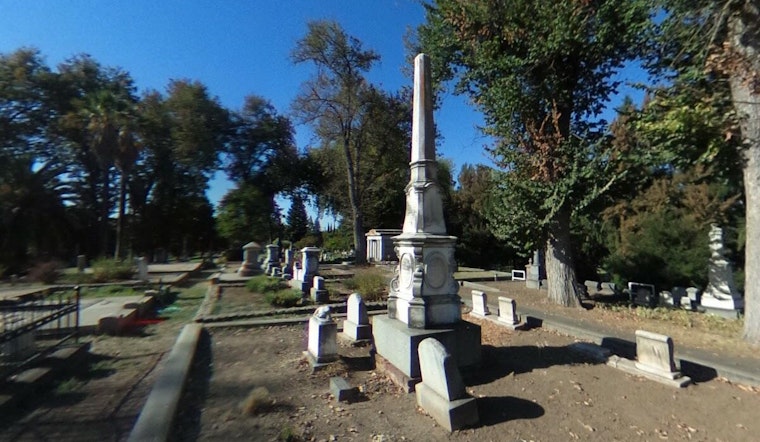
Sacramento is wrestling with a basic but emotionally charged problem: traditional burial space is getting scarce, and one local entrepreneur has pitched a plan he says would add capacity for families who want a place to visit. The conversation, driven by recent reporting, has put land use, long‑term maintenance and cultural preference at the center of city conversations about where and how people are laid to rest. As officials, funeral providers and neighbors weigh options, the proposal is reopening questions about affordable, permanent choices for area residents.
What the reporting shows
According to The Sacramento Bee, the pitch comes amid warnings that available in‑ground plots are dwindling in parts of the region and that families are confronting rising prices and fewer nearby options. The Bee’s story frames the proposal as a private effort to create more local interment choices, and it quotes funeral‑industry officials and residents who say the shortage feels real to people planning funerals in the city.
What the proposed fix would look like
The idea reported in local coverage is aimed at adding interment capacity in ways that require less new land than a traditional cemetery expansion — for example by building above‑ground niches or modular mausoleum space and by carving out areas for alternative burial styles. Similar density‑focused moves have been used elsewhere: in Los Angeles, for example, historic cemeteries have added multi‑story mausoleums and columbarium walls to stretch finite space. Public radio coverage last spring documented one such vertical expansion in Hollywood.
Why space is tight
Part of the squeeze comes from changing demand: nationwide cremation rates have climbed rapidly in recent decades, but many families still want a local, permanent place to visit — and those in‑ground spaces are limited. Industry data show cremation is now the majority choice in the U.S., but that shift hasn’t erased demand for plots or created enough new, affordable options for everyone. CANA’s recent analysis highlights how disposition trends have evolved and why cities with limited land face special pressure to find alternatives.
Legal and regulatory hurdles
Any private project that adds burial or niche space will run into California’s existing rules for cemetery finance and oversight. State law requires endowment care for cemeteries opened after 1955 and has placed new reporting requirements on cemetery finances in recent years. Lawmakers last session approved steps to tighten reporting and to create clearer processes for handling abandoned or underfunded cemetery trusts — measures summarized in legislation such as AB 3254 and SB 777. Oversight and licensing come through the state Cemetery and Funeral Bureau, which enforces financial and consumer protections for cemeteries and funeral providers. The Cemetery and Funeral Bureau also convenes workgroups and collects data that affect how new burial projects get reviewed.
That combination of local land‑use approvals, state financing rules and required long‑term maintenance funds means the path from an idea to open plots is rarely fast. The proponent will need zoning signoffs, engineering and environmental checks, and a workable funding plan that satisfies regulators and future families. For now, the SacBee story has put a concept into public view and started the discussion; the next steps will be formal permit applications and community meetings where neighbors and elected officials can weigh the tradeoffs.





