

























































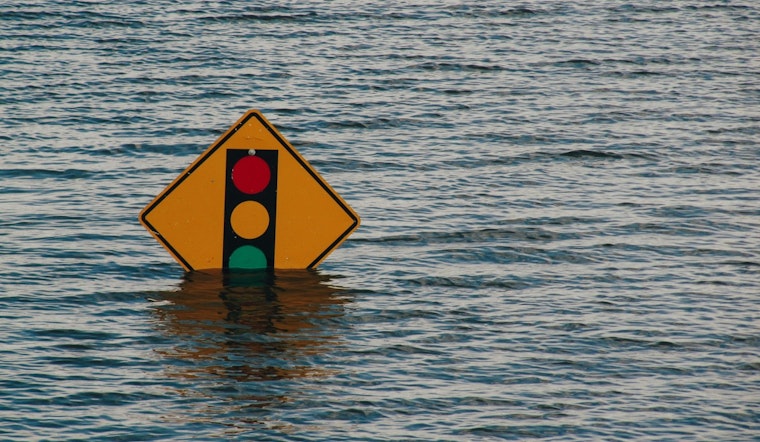
The National Weather Service in Seattle has issued a hydrologic outlook for the coming days, warning of potential flooding due to a strong atmospheric river set to douse the region from Friday through Saturday night. Heavier rainfall is expected to hit areas such as the Olympic Peninsula and parts of the Washington Cascades, with the Skokomish River predicted to enter minor flood stage on Saturday. For residents living in Mason, Jefferson, Clallam, Whatcom, Skagit, Snohomish, and King counties, it's advised to stay alert, especially with some rivers forecast to reach action stage over the weekend.
According to the NWS forecast, "Mean rainfall forecast remains between 2 to 4 inches with locally 5+ inches." Alongside the threat of swollen rivers, areas with recent burn scars may be at risk for flash flooding or debris flows, which might compound the challenges for emergency response teams, already spread thin, to keep tabs on all the developing situations. With the ground in urban locations saturated by recent downpours, rain could lead to nuisance flooding, and residents are reminded to clear drains of leaves to prevent water accumulation.
The city's local weather conditions are a stark reminder of the sometimes capricious nature of Pacific Northwest autumns. The latest updates from the NWS show a crisp 45°F in Seattle, with humidity standing high at 87%. With winds crawling southeast at a mild 6 MPH, adding a slight chill to the already cool air, it's a typical fall morning. Yet, as the day unfolds, rain is expected to pick up after 2 pm, with highs creeping up to a reasonably comfortable 56 degrees.
Looking ahead, Seattleites should brace for an extended wet spell; the NWS detailed forecast points to a 100% chance of rain tonight with a low around 51 degrees and gusts reaching up to 32 mph. New rainfall amounts between a half and three-quarters of an inch are possible. "A moderately strong atmospheric river will impact western Washington Friday through Saturday night," cautions the same NWS report, drawing attention to the potent mix of elements that often herald the beginnings of more severe seasonal shifts.
The NWS encourages everyone in the affected areas to monitor the latest river forecasts and to prepare for possible adverse conditions.



