

























































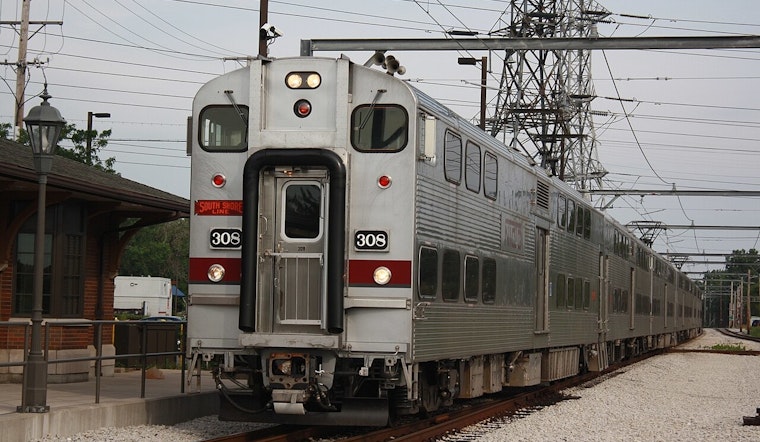
Commuters on the South Shore Line faced disruptions during the evening rush hour on Monday as train service was temporarily halted. Initial reports by South Shore Line officials suggested that a bridge over the Calumet River in Chicago's Hegewisch neighborhood had been struck by a barge. According to NBC Chicago, all train traffic was ceased on the line as a result of the incident, affecting at least three trains and causing substantial delays.
However, upon further investigation, it became clear that the initially reported bridge strike was a misreport. The U.S. Coast Guard promptly contacted the South Shore Line around 5:30 p.m. to report a collision, which prompted the South Shore Line to dispatch crews to investigate the situation. In a swift response to ensure passenger safety, trains 121, 123, and 25 were temporarily brought to a standstill. Time, the crisis blurred and eventually resolved with the confirmation that the bridge thought to have been hit was unharmed. This development was documented in a follow-up report by FOX 32 Chicago.
Officials eventually concluded that the barge had indeed collided with a bridge, but it was a separate structure, farther from the train routes and not part of the South Shore infrastructure. This revelation came as good news to passengers and officials alike, as it meant that the train service could safely resume. After just over an hour of delay, the South Shore Line announced that operations were back on track, with some trains operating with at least a 60-minute delay.
The South Shore Line, which originates at Chicago’s Millennium Station and travels eastward toward Indiana, serves as a vital link for commuters traveling to and from the Windy City. The brief disruption, however, is a stark reminder of the vulnerability of our transportation systems to unforeseen events. Additional details regarding the barge and the impacted bridge are yet to be released, but the incident undoubtedly will trigger a review of protocols to potentially prevent such occurrences in the future and to swiftly restore services when they do occur.





.jpg)