

























































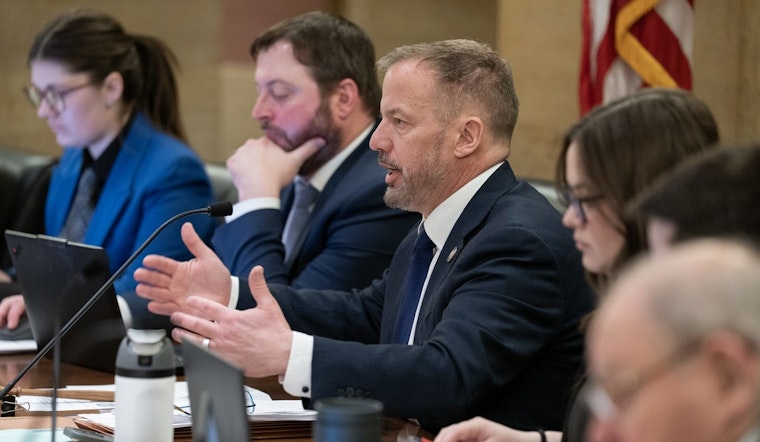
In a controversial move by the Trump administration, consumer protections against medical debt reporting have been targeted for rollback, a decision that has prompted fierce criticism from lawmakers in affected states. Senator Matt Klein of Minnesota lambasted the administration's efforts to annul state measures that currently protect consumers, highlighting the potential ramifications for residents. The Trump administration's strategy aims to nullify laws in 15 states, including Minnesota's Debt Fairness Act, which keeps medical debt from impacting individuals' credit reports.
According to Senate DFL, Senator Klein did not mince words about the administration's recent actions, "Earlier this year, the Trump administration, with the help of Elon Musk’s DOGE, dismantled the Consumer Financial Protection Bureau in a handout to scammers and predatory lenders,” adding, “This is yet another step to stress working people and tip the scale toward billionaires.” The senator's statements underscore the belief that rescinding such protections could disproportionately affect low and middle-income individuals already facing mounting health care costs.
In 2023, major credit bureaus made a collective decision to stop tracking medical debts under $500, effectively removing medical debt from nearly 22 million Americans' credit histories. This was seen as a significant step towards addressing one of the many systemic issues contributing to Americans' financial insecurities. However, the recent directive by the Trump administration could reverse this progress and exacerbate the plight of those with medical debt.
Klein, who also practices as a doctor, said, "Medical debt arrives through no fault of the individual, and strikes working people at random. Once on the books, it prevents people from accessing credit, buying a house or car, or securing loans.” The Senator contends that this issue isn’t just a matter of economics— it affects real lives and complicates the path to financial recovery for thousands. “Minnesotans are seeing their insurance rates and out of pocket costs for healthcare increase exponentially thanks to the big budget bill and Congressional Republicans, and over 200,000 Minnesotans are expected to be priced out of insurance,” he emphasized.
The overarching concern among critics like Senator Klein is that without these consumer protections, more individuals could be propelled into bankruptcy due to overwhelming medical expenses, at a time when health insurance affordability is already on a perilous trajectory. The discourse around this decision continues, as does the scrutiny of the Trump administration's commitment to consumer financial welfare.





