

























































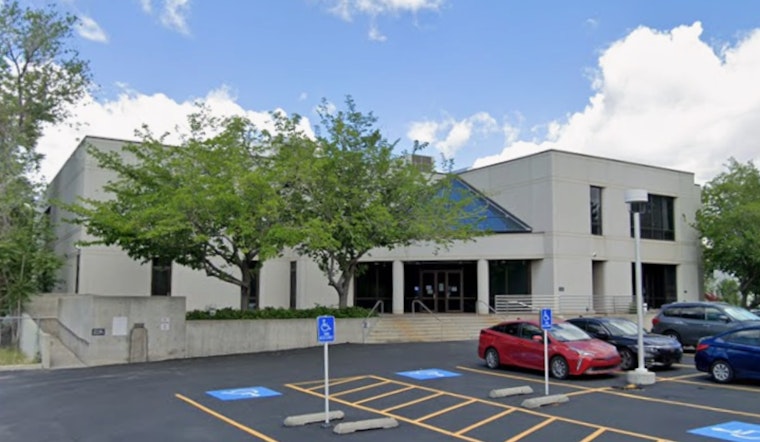
Utah's bankruptcy practitioners have to brace themselves for a new normal as the federal funding lapse that began at midnight on September 30 continues. General Order 25-001, issued on October 8 by the U.S. Bankruptcy Court for the District of Utah, lays out the groundwork for how the shutdown will affect ongoing bankruptcy cases, particularly those involving U.S. agencies, which are collectively referred to as "Affected Entities" in the order, according to the Utah State Bar.
Despite the funding fallout, cases with Affected Entities are marching on. The court clarified that bankruptcy cases will not automatically come to a halt. Instead, contested matters may be continued on an individual basis, as per the court's discretion. Meanwhile, adversary proceedings involving these entities are on ice, with a stay in place until the court decides on an "End Stay Date" after funding resumes. This pause is significant, given that it extends the deadlines in said proceedings to either 21 days after the end stay date or 21 days after the original deadline, whichever comes later. Nonetheless, other parties must tread along as usual, meeting all required deadlines and obligations without hiccups.
Adding to the complexity, while adversary proceedings are stalled, the initiation of new proceedings against Affected Entities is not barred. Practitioners can still file motions, objections, and serve Affected Entities following normal rules, without any extensions. Money matters stay the course, too. Quarterly fees, plan disbursements, and chapter 7 disbursements remain unaffected; the order explicitly keeps in place the payment obligations owed to Affected Entities.
The pinpointing of "End Stay Date" will mark a key milestone, as it sets in motion the extended deadlines. To kickstart this process, once funding is back on the table, at least one Affected Entity must file a notice to the court. After which, the court will issue a follow-up order establishing the crucial date that dictates the adjusted time frames. This procedural dance ensures that until that day, bankruptcy administration stays on track, necessitating that private parties maintain the pace and continue making required payments, and expect the court to grant extensions where an Affected Entity would normally be required to act.
Finally, the right to seek adjustments to the General Order remains open. Affected or not, parties can approach the court to modify or obtain relief from the Order if there's a valid reason to do so. The court is attempting to balance the restrictions imposed by a federal shutdown while keeping the wheels of bankruptcy administration greased and going.





