

























































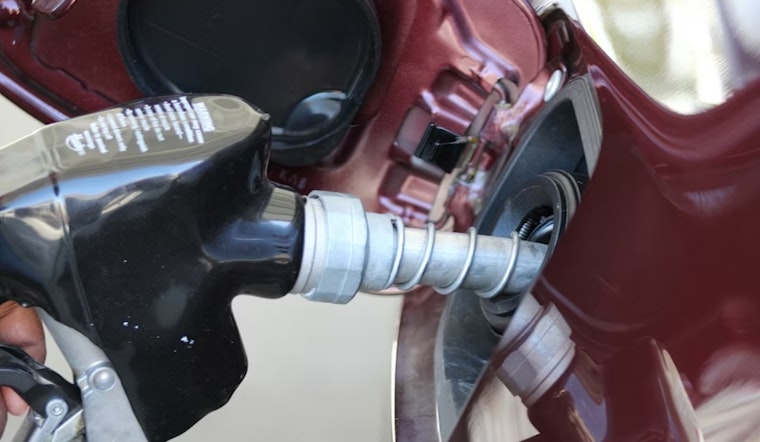
In Utah, state Republican lawmakers are serving up a proposal to reduce gas prices by revising tax structures around oil refineries. As reported by KUTV, this plan involves removing a tax exemption for oil refineries that has been in place for decades. Utah House Speaker Mike Schultz mentioned that the state produces more gasoline than it consumes, yet due to policy shifts in California, neighboring states are now relying on Utah's exports, leading to increased profits for local refineries and higher gas prices for Utahns.
Speaker Schultz expressed frustration at the necessity for legislative intervention but underscored the intention to shift the tax burden from consumers to producers, in hopes of knocking off 10 to 20 cents per gallon at the pumps. Despite this potential drop, which was relayed in a conversation with KUTV anchor Heidi Hatch on the Take 2 podcast, Utah's prices would still trail the national average. As indicated by KSL TV, consumers like Bryan Morielli feel that Utah's gas prices echo the sting of California's, tarnishing the allure of a lower-cost life in the Beehive State.
Meanwhile, on a broader scale, the US grapples with the challenges of soaring energy demands and the accompanying strain on both infrastructure and consumer costs. The concept of "demand flexibility" is being heralded as a bipartisan solution, rewarding consumers for lowering their energy usage during peak periods. Implementation of this could potentially mitigate the risks of blackouts, especially in states like California and Texas, and lead to more efficient use of the existing energy infrastructure, as detailed in a The Guardian report.
This strategy is aimed at more than just easing household power bills; it's a step towards mitigating the environmental impact that burgeoning AI datacenters and other modern energy hungry advancements pose. As energy entrepreneur Jigar Shah stressed, the emphasis should be on electricity utilities maximizing the efficiency of what they already possess rather than investing in new capital projects. California, which faces some of the highest power rates in the country, saw a potential legislation promoting demand flexibility vetoed by Governor Gavin Newsom, setting it behind the curve compared to proactive states like North Carolina.
Not all responses to Schultz's legislative proposal have been welcoming. Oil and gas companies are resistant, according to Schultz, who told KSL TV, "they don’t like it." Schultz contends that such companies are profiteering at the expense of Utah residents. Rep. Cal Roberts is at the helm, drafting details of the legislation, which is expected to be introduced in the upcoming session, promising to be a focal point of both fiscal and environmental discourses in the state.





