

























































Border Patrol commander Gregory Bovino and many of the green‑uniformed agents fronting the administration’s “Operation Midway Blitz” are expected to pull out of Chicago as soon as this week, officials said. That would scale back the most visible federal footprint in neighborhoods that saw repeated clashes, even as Immigration and Customs Enforcement is expected to keep making interior arrests across the region. The shift follows weeks of high‑profile raids, protests and a federal judge’s tightened rules on how agents can use chemical crowd‑control tools.
Officials say a redeployment is underway
Three U.S. officials told CBS News that Bovino and many Border Patrol teams could be pulled out of Chicago in the coming days, though the timing and headcount could still change. Some Customs and Border Protection personnel will remain, they said, and ICE will continue arrests tied to the operation. The sources added that certain units could be rerouted to other cities where similar enforcement is being planned.
How big was the surge — and what it produced
The September deployment put scores of federal agents into Chicago neighborhoods — a surge critics called heavy‑handed and supporters say delivered arrests. Local and national outlets have reported that the Department of Homeland Security tracked thousands of arrests connected to the campaign; USA TODAY and others have cited DHS figures showing more than 3,000 detentions since it began. The highly visible tactics — camo and masks, nighttime sweeps, and less‑lethal munitions — helped fuel sustained protests and multiple legal challenges.
Federal judge orders closer oversight
Federal courts stepped in. U.S. District Judge Sara Ellis repeatedly pressed for more transparency and set limits on chemical agents and other crowd‑control tools, citing safety concerns and questioning elements of agency testimony. Reuters reported that Ellis ordered tighter rules, required visible identification, and demanded detailed use‑of‑force reports — moves that increased scrutiny on commanders running the campaign.
Video, testimony, and credibility questions
The video reviewed by reporters and played in court became a turning point. Coverage by The Washington Post and others shows an incident in Little Village where a canister was tossed into a crowd. Judge Ellis concluded portions of Bovino’s sworn testimony didn’t line up with the visual record. That finding helped trigger tighter injunction language and extra reporting requirements for federal teams working the city.
Photo op draws political backlash
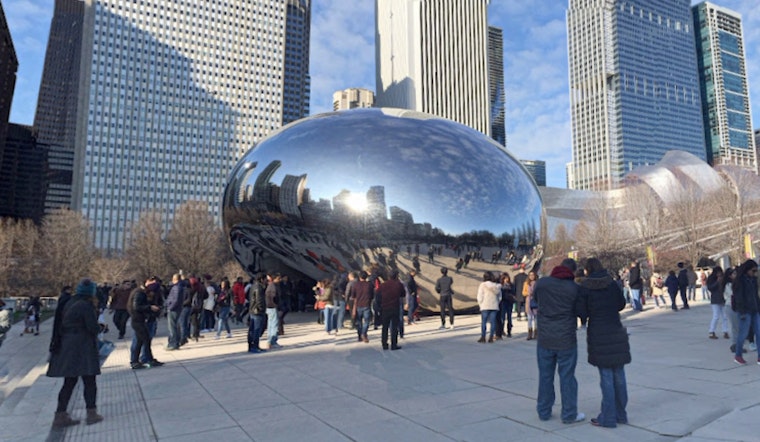
The timing of the handoff arrives with fresh political heat: images of dozens of agents posing at Millennium Park’s Cloud Gate — the Bean — drew local outrage after bystanders and community outlets said an agent shouted, “Everyone say, ‘Little Village!’” as the photo was snapped. USA TODAY reported that Gov. J.B. Pritzker blasted the stunt as “making fun of our neighborhoods and communities,” accusing the operation of staging photo ops while children and residents were exposed to chemical munitions during other encounters.
What to watch next
Even if Bovino and many Border Patrol agents depart, the broader enforcement push isn’t going away: officials say ICE will remain active, and federal lawyers have already appealed parts of the court’s limits on force. Expect the longer fight to shift to appeals courts and ongoing local litigation, as officials, community groups, and judges jockey over how immigration enforcement plays out on city streets. For now, neighbors and legal observers are watching to see whether fewer green uniforms means fewer confrontations — or just new tactics in a battle that’s split Chicagoans.




