

























































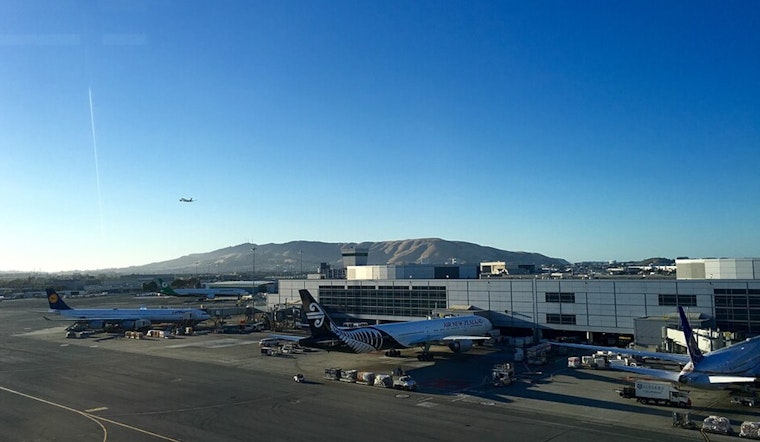
The skies may become a little less crowded over San Francisco as the FAA has decided to chop scheduled air traffic by 10% at high-volume airports across the country. According to SF Chronicle, this drastic reduction is set to start Friday, coinciding with Veteran's Day weekend when air travel typically surges. Officials aim to preserve safety amid staffing shortages aggravated by the federal shutdown, now in its sixth week.
San Francisco International Airport, along with Oakland International Airport, is likely to be among the affected hubs. SFO spokesperson Doug Yakel said, "We have yet to receive confirmation," an uncertainty that hangs heavy in an industry striving to pivot in response to the rapidly changing conditions urgently. The shutdown has left a significant portion of the workforce, including 13,000 air traffic controllers and 50,000 TSA officers, toiling unpaid. In an interview by KTVU, U.S. Transportation Secretary Sean Duffey clarified, "This is not based on what airline has more flights out of what location. This is about where's the pressure and how do we alleviate the pressure."
The implications of this reduction are far-reaching. Already, the nation is witnessing the ripple effects with tens of thousands of flights delayed and wait times stretching at TSA checkpoints, as seen with the five-hour waits at Houston's George Bush Intercontinental Airport. Moreover, airline shares, including United and American Airlines, dipped in the aftermath of the announcement of the traffic cuts. "It's pretty much a complex puzzle that these airlines have to put together very quickly to make this work," aviation analyst Kyle Bailey told FOX's Will Cain, per KTVU, signifying the logistical challenge now placed upon the airlines with minimal notice.
Amidst this climate of uncertainty and adaptation, travelers are advised to expect delays and to stay informed on their flight statuses. The FAA has been grappling with absenteeism rates between 20% to 40% at its 30 largest airports, as reported by Administrator Bryan Bedford. To swiftly adapt to the increasing pressure, the FAA and airline executives are set to meet and strategize on implementing the 10% reduction safely, heightening the already tangible tension among travelers and industry personnel.





.jpg)