

























































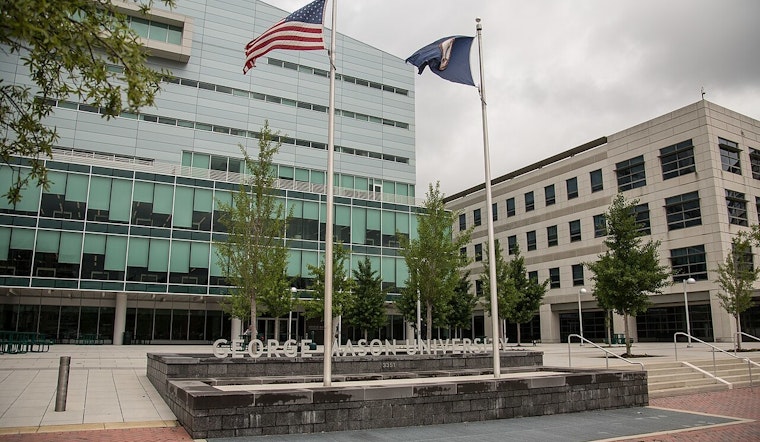
On the heels of a significant report from the House Judiciary Committee, George Mason University finds itself grappling with accusations of unlawful racial discrimination. According to the interim staff report titled "Illegal Racial Discrimination in Faculty Hiring at George Mason University Under the Direction of President Gregory Washington," the university, which benefits from federal funding, stands accused of contravening the Civil Rights Act. Claims suggest that racial quotas and balancing demographics in faculty hiring were under President Gregory Washington's directive to push a diversity, equity, and inclusion initiative forward.
GMU, beholden to the principle of equality that the Civil Rights Act upholds, allegedly flouted federal law by establishing hiring quotas targeting specific racial groups. Despite stark differences between student and faculty racial compositions, the university's policies purportedly discriminated against South Asians, Southeast Asians, Arab-Americans, Caucasians, and other demographics. When questioned by Committee members, President Washington refuted allegations of racial discrimination at the university, asserting that "GMU has never illegally discriminated based on race," a statement that evidence seems to challenge vehemently.
The controversy heightens with Dr. Washington's repeated attempts to dissociate himself from the creation and implementation of these contentious policies. Blurring lines of accountability, the president's testimony dismissed his involvement in establishing racial hiring quotas and demographic correlates. Yet the evidence, as indicated by the Committee's findings, paints a different picture, suggesting Dr. Washington's hand at play in modalities many view as clear violations of anti-discrimination laws.
Facing serious accusations, Dr. Washington's responses to the Committee might land him in deeper trouble, accused of providing materially false statements despite being aware of 18 U.S.C. § 1001, which forbids lying to Congress. Charged with these grave assertions, George Mason University's leadership under Dr. Washington now faces scrutiny as the Committee continues its oversight on the sufficiency of law in protecting the fundamental rights of all Americans. As reported, "so-called anti-racism initiatives—like the one created and directed at GMU by Dr. Washington—violate the spirit and letter of civil rights law."
This story is rapidly evolving, as stakeholders and observers alike await further developments. The implications of the interim report ripple not solely through GMU's administration but stir broader conversation about the true intents and outcomes of DEI initiatives in academia. With legal and ethical questions at the center of this unfolding saga, the nation watches, anticipating the reconciling of inclusive aspirations with the rigorous standards of civil rights legislation.





.jpg)