

























































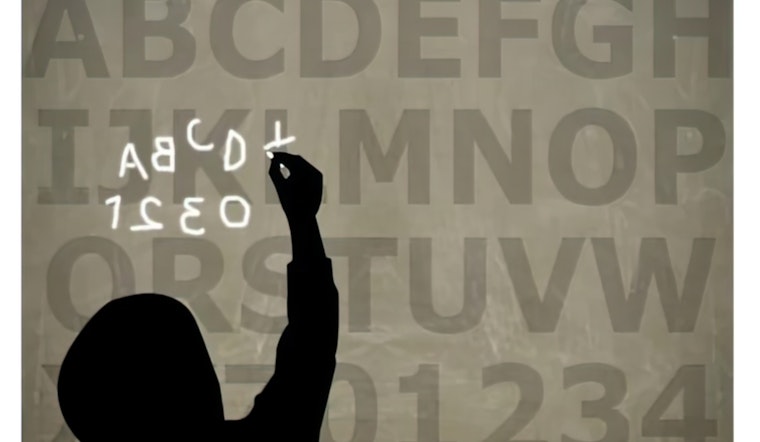
At Creekside Elementary in suburban Plainfield, fifth-grader Cecilia Santagata has turned a recent dyslexia diagnosis into something a lot bigger than a line in her school file. She turned it into a book, a new library shelf, and a quiet shift in how her classmates talk about reading challenges.
Cecilia wrote a short children’s book called "Cecilia's Journey: Embracing Dyslexia" as a classroom project, working with her family and school staff, so the finished book could live in the school library for any student or teacher to check out. Her diagnosis, she says, actually felt like a relief because it finally explained why reading had felt different for her. She wanted other kids who feel that way to know they are not alone. Her project also helped spark a new lunchtime group where classmates can sit together, ask questions, and learn more about dyslexia in a low-key setting.
"My thing is that all brains are beautiful," Cecilia told reporters, adding that she sees dyslexia as "her superpower" because it pushed her to figure out strategies that work for her. She described how sometimes "the words aren't connecting, kind of like bouncing on the page," and said that getting a diagnosis helped her feel empowered to do something about it. As reported by CBS News Chicago, Cecilia's grandmother, Linda Cortez, who has written other children's books, took Cecilia's manuscript and helped shape it into a finished story with illustrations.
Why early identification and support matter
Dyslexia is both common and often misunderstood. The International Dyslexia Association notes that roughly 15 to 20 percent of people show some symptoms of dyslexia and that many students benefit from early, structured literacy instruction. The organization stresses that dyslexia is a language-based difference, not a sign of low intelligence, and that students can build strong reading skills when they receive targeted, multisensory instruction that helps them decode words and develop fluency. Educators at Creekside say that is the bigger message they hope parents, teachers, and students will take away from the new library shelf dedicated to dyslexia and reading differences.
School leaders say the book opened a conversation
Creekside reading specialist Denise Wilson told CBS News Chicago that Cecilia's project "opened a conversation we might not have had otherwise." Since Cecilia began receiving targeted support, Wilson said she is learning strategies to decode tricky words, and her test scores have improved. Wilson added that dyslexia-related behaviors are frequently mistaken for carelessness or confusion, and that when students are given the right tools, they are finally able to show what they actually know. The school hosted a small grand-opening event for the new shelf of books about dyslexia and learning differences, and Cecilia's "Lunch Bunch" now offers a gentle, kid-friendly way for students to build empathy while they get answers to their questions.
Cecilia’s book and the program at Creekside give a local snapshot of how early diagnosis, paired with classroom-level advocacy, can nudge school culture toward more acceptance and better support. The International Dyslexia Association provides resources for parents and teachers on structured literacy and classroom accommodations that schools can use if they want to replicate this kind of effort. For families in Plainfield, Cecilia's project is already doing what she hoped it would do: giving other kids a name for what they experience, tools to seek help, and a reminder that different kinds of readers still have brilliant brains.





