

























































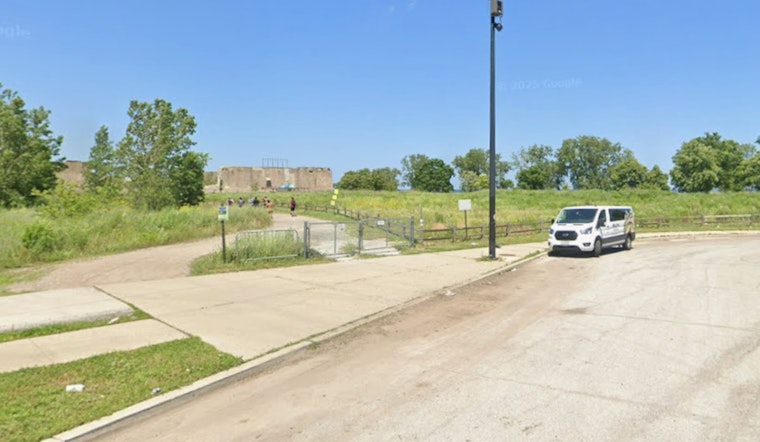
Developers behind the Quantum Shore project on the former U.S. Steel South Works have filed a detailed cleanup plan with state regulators to address decades of industrial contamination on the 440-acre site on Chicago's Southeast Side. The submission lays out a mix of engineered barriers, targeted excavation, and long-term monitoring designed to keep pollutants from migrating to Lake Michigan and neighboring communities. The plan and the testing that informed it are now under review by the Illinois Environmental Protection Agency.
Site testing and what it covers
According to a remediation summary published by the Illinois Quantum and Microelectronics Park, consultant Pioneer Engineering & Environmental Services carried out an extensive soil and groundwater program that included 186 soil borings, 44 test pits, and 27 groundwater monitoring wells across the property. The IQMP summary says those results show most of the property aligns with earlier 'No Further Remediation' findings, but that roughly 6.5 percent of the 440-acre site contains petroleum concentrations above modern cleanup standards. The technical report and remediation plan were submitted to the Illinois EPA as part of the site's enrollment in the state Site Remediation Program.
What the testing found
Developers' soil testing included about 250 samples that detected polycyclic aromatic hydrocarbons in 15 samples, PCBs in nine samples, SVOCs in five samples, and traces of methylene chloride and pesticides in single samples, as reported by Block Club Chicago. Groundwater testing flagged elevated volatile organic compounds in two of the 27 monitoring wells, and soil chemistry showed arsenic, chromium, and manganese at concentrations above state thresholds for inhalation and soil ingestion. Those results help explain why residents and environmental groups have demanded a fresh cleanup rather than relying on decades-old state clearances.
Neighbors push for guarantees
Community groups and neighborhood leaders have made it clear they want remediation spelled out in enforceable terms and backed by a community benefits agreement, according to reporting by WTTW. Activists pointed to past broken promises and questioned whether the 1997 and 2010 'No Further Remediation' letters reflect modern science. Developers and city officials, for their part, say they are pursuing outreach, job training, and park improvements alongside the cleanup work.
How developers propose to contain pollution
The remediation strategy centers on engineered barriers: a horizontal cap of asphalt, concrete, or clean soil over geotextile fabric across the site, and an underground vertical engineered wall around the IQMP portion of the campus to contain and treat migrating contaminants, the IQMP summary says. The plan also calls for excavation and off-site disposal of two small, higher-risk areas and for updated No Further Remediation letters to be recorded on property deeds where appropriate. Developers say the cleanup will follow U.S. EPA's 'Greener Cleanups' practices and that dust monitors, alarms, and other controls will be used to protect nearby homes and schools during work.
Hot spots, monitoring, and state review
The submitted documents identify five petroleum 'hot spots' across the property, with three clustered south of 87th Street and east of DuSable Lake Shore Drive totaling roughly 28 acres, and call for nearly two miles of slurry walls to prevent migration toward the lake or the Calumet River, per Block Club Chicago. One hot spot near 87th and Burley contains about 3,000 cubic yards of slag fill and sand, while an area near 84th adjacent to New Sullivan Elementary measures under 80 cubic yards and is considered only marginally elevated. The report says the Illinois EPA is expected to complete its review in roughly 60 days; if approved, the plan would include real-time monitoring during significant rainfall events and a staged monitoring cadence—quarterly checks during year one, biannual reviews for the following nine years, and annual inspections for another two decades.
What's at stake for South Chicago residents
Neighbors say the stakes are high: decades of heavy industrial use have left a legacy they worry could pose health risks if disturbed without strict controls, and organizers have pushed for enforceable protections rather than verbal assurances, WTTW reported. Developers highlight planned green space, workforce training, and long-promised investment as the benefits that should accompany cleanup. Both sides say they'll be watching the IEPA review, public notices, and early monitoring results closely.
What to watch next
The IEPA review is the next formal milestone; if the agency signs off on the remediation plan, work would be phased in while construction begins in selected areas. Residents will be watching for the agency's public notices, the technical report itself, and the first monitoring data that show whether the engineered controls are containing pollution as designed. Hoodline will track filings, state actions, and community meetings as the cleanup moves through the review process.





