

























































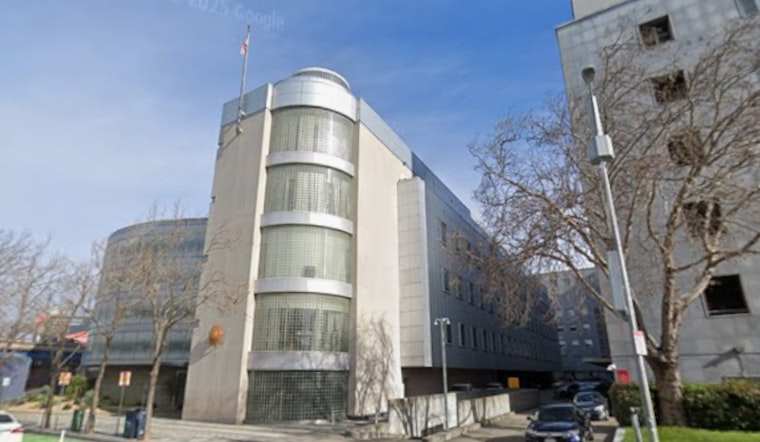
Seventeen women say an afternoon in San Francisco County Jail turned into a degrading spectacle when deputies forced them to strip naked and undergo visual body-cavity checks while other incarcerated people looked on. The women allege the mass strip search took place in Unit B-pod at the county jail around 4:45 PM on May 22, and that deputies laughed, made sexual comments, and, in at least one case, groped a woman during the search.
The accusations are mentioned in a city claim and reported by Mission Local, which spoke with multiple women and their attorneys. According to that reporting, at least 20 women say they were ordered to strip and were filmed by deputies in front of one another. Eleven of them say they saw deputies wearing body-worn cameras with blinking green lights that signaled the devices were recording. The claim adds that seven of the women named in the filing overlap with an earlier complaint submitted in September by Assistant Chief Public Defender Angela Chan, and that at least 18 people present were clients of the Public Defender’s Office.
How The Women Say It Unfolded
Claimants and their lawyers describe a tense scene in B-pod, with deputies moving through the unit in tactical vests and face shields and carrying long-scope weapons. The women say they were ordered to undress, then to expose intimate areas of their bodies while deputies watched. According to the claim and interviews, deputies turned on body-worn cameras, laughed, and made degrading sexual remarks as the searches were carried out and recorded. Attorneys and survivors told reporters that the experience left many women shaken, humiliated, and afraid of being sent back to the same housing unit.
Historic Context For Mass Strip-Search Lawsuits
Lawyers for the claimants point to past cases as a warning that San Francisco could be on the hook for serious money if the allegations hold up. In 2019, Los Angeles County agreed to a $53 million settlement over group strip searches at its women’s jail, a case reported by the Los Angeles Times. That deal, along with similar civil rights actions around the country, has become a cautionary tale about how invasive search practices can trigger both policy reforms and substantial payouts.
Legal Stakes
Attorney Elizabeth Bertolino, who represents some of the women, told Mission Local that her clients could seek damages under both state and federal law. Potential claims include negligence, dangerous conditions allegations, violations of the California Gender-Based Violence Act, and federal constitutional violations. The current city claim is a required precursor to any lawsuit and starts the clock for the city to respond and possibly negotiate. Lawyers say the dispute will likely turn on documentary evidence such as any video, camera logs, and jail search records, along with testimony from the women and jail staff about what actually happened in B-pod that day.
How Courts View Strip Searches
Courts have allowed strip and visual body-cavity searches in some jail and prison contexts, especially when officials argue they are necessary for safety or to prevent contraband. Civil-rights groups, however, have long warned that mass, public, or intentionally degrading searches can cross constitutional lines. The ACLU has compiled examples of mass-search cases that led to complaints, lawsuits, and policy changes, and has noted that such practices can retraumatize people who already have histories of sexual abuse or violence. In a case like this, judges will have to weigh whether security concerns truly justified the searches and whether jail officials followed their own rules on privacy and appropriate, gender-based procedures.
Oversight And Next Steps
The Sheriff’s Office says it is investigating the allegations. As the city's claim progresses, outside oversight bodies may also become involved. The Office of the Sheriff’s Inspector General, which provides independent oversight of the department, may review the incident and any related policies, according to the city’s oversight office. For the women and their attorneys, the immediate priority is to secure any evidence, including body-worn camera footage or logs, that could confirm what deputies recorded and when.



