

























































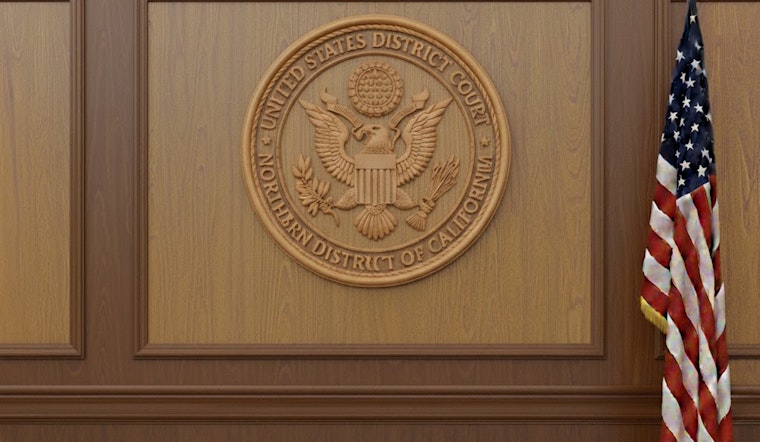
A federal jury in San Francisco on Tuesday found Ruthia He, the founder and CEO of telehealth company Done, and Done’s clinical president, Dr. David Brody, guilty of running a years-long scheme that prosecutors say turned online psychiatry into a pipeline for stimulants. The verdict caps a closely watched trial that, according to federal prosecutors, showed how a subscription model and targeted advertising can be twisted to push controlled medications at scale.
Guilty verdicts, charges and what comes next
According to a Department of Justice press release, jurors convicted He and Brody of conspiracy to distribute controlled substances, four counts of distribution of controlled substances, and one count of conspiracy to commit health care fraud. He was also convicted of conspiracy to obstruct justice. The Justice Department says both defendants face maximum penalties of up to 20 years on the drug counts, and that sentencings are set for Feb. 25, 2026.
Prosecutors say subscription model became pill pipeline
During trial, prosecutors told jurors that Done used aggressive social media and search advertising to attract people seeking stimulants, then sold monthly subscriptions that made repeat access easy. The company ultimately arranged for prescriptions for more than 40 million pills and generated roughly $100 million in revenue. Investigators and prosecutors argued that many of those prescriptions were not medically necessary and worsened supply problems for legitimate patients, according to Reuters.
Inside the operation: auto-refills, huge payouts and concealment claims
At trial, the government introduced internal documents and witness testimony describing how Done paid for highly targeted ads and spent millions to grow its subscription base. Some nurse practitioners were paid as much as $60,000 a month to refill prescriptions without clinical contact, and the company operated an auto-refill feature that prosecutors say allowed years of refills without meaningful follow-up, at times generating prescriptions even after members had died. Those details and other trial evidence are summarized in a Northern District of California press release and the department’s statement about the verdict, according to the U.S. Attorney’s Office, N.D. Cal.
Local reaction from federal prosecutors
U.S. Attorney Craig Missakian cast the verdict as part of a broader push to hold digital health operators accountable, and publicly praised investigators and trial lawyers for what he described as a long, intensive probe. Missakian also posted about the result on X, thanking the DOJ team and federal partners for what he called “a big victory” after trial.
Why this first-of-its-kind case matters
Prosecutors say the verdict is the Justice Department’s first criminal conviction tied to alleged illegal controlled-substance distribution through a telehealth platform, and they warned other digital health companies that profit-first models can lead to criminal exposure. The case was investigated by DEA, HHS-OIG, HSI and IRS-Criminal Investigation, and now heads toward February sentencing. Observers say the outcome could reshape enforcement and compliance expectations for telemedicine prescribers. Reuters previously summarized how the prosecution grew out of reporting and federal scrutiny of telehealth prescribing practices.
For background on earlier developments in the case, Hoodline covered the original indictment and arrests in 2024.



