

























































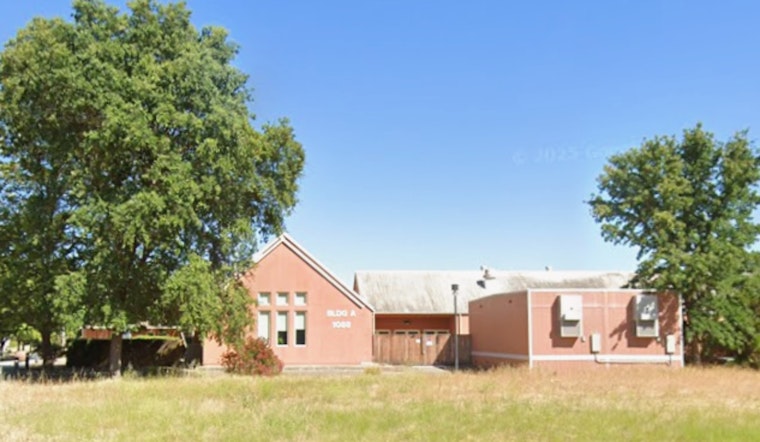
St. Helena’s drinking water just exceeded a key state standard for a class of disinfection byproducts, and the city’s aging control system picked the worst time to glitch. With remote monitoring down, a three‑person crew has been hustling to the plant for every alert, sometimes more than 100 alarms in a single weekend, piling up overtime as repairs get underway. Officials say there’s no immediate safety threat, but the ordeal lays bare years of deferred upgrades at the treatment plant.
According to the city’s public notice, test results received Oct. 7 showed the system exceeded California’s maximum contaminant level for HAA5 with a 12‑month average of 72 parts per billion, above the 60‑ppb state limit. The mailed notice, sent Nov. 5, tells customers they do not need an alternate water source and that the exceedance is not an immediate threat; it also cautions that long‑term exposure at elevated levels “may have an increased risk of getting cancer,” per the City of St. Helena.
Faulty monitoring, costly overtime
A failing computer knocked out the plant’s Supervisory Control And Data Acquisition system, stripping operators of remote views and control and leaving only basic alerts. The result: staff had to drive in for each alarm, in bursts that recently topped 100 in a single weekend, which drove up overtime and tested the small crew’s stamina. The city council moved quickly: at a special meeting on Monday, it approved a $67,200 SCADA upgrade to restore remote capabilities and detailed alarms, according to the Napa Valley Register.
What a SCADA upgrade will do
SCADA systems pull real-time data from plant sensors, generate granular alarms, and let operators adjust pumps and chemical feeds without needing to drive to the site, the kind of tools that cut unnecessary trips and speed up troubleshooting. Integrators who work on municipal systems say upgrades typically restore remote control and richer diagnostics, allowing staff to decide when an on-site visit is truly needed, thereby reducing overtime and risk, as explained by Telstar Inc.
Health context
Haloacetic acids (HAA5) form when chlorine used for disinfection reacts with natural organic material in source water. The federal and California maximum contaminant level for HAA5 is 60 micrograms per liter (approximately 60 parts per billion), according to the U.S. Environmental Protection Agency, which notes that long-term exposure above this level may increase certain cancer risks. Regulators assess compliance using 12‑month running averages.
City response
The city states that operators are adjusting treatment processes, have hired an engineering firm to evaluate disinfection-byproduct formation, and have mailed a notice to customers describing the exceedance. Officials also say that urgent repairs to aging infrastructure, including the newly funded SCADA replacement, are part of a short-term plan to stabilize operations and curb overtime, according to the City of St. Helena.
What the law requires
California requires public notification and coordination with the Division of Drinking Water when systems exceed primary drinking water standards. The State Water Resources Control Board offers templates and guidance for those notices, which the city followed while it worked on treatment adjustments and the SCADA fix, per the State Water Resources Control Board.
For now, officials say there’s no need for bottled water. Residents who notice discoloration, taste, or pressure issues are encouraged to report them so crews can pinpoint and address problems. If all goes to plan, the upgrades should cut the late‑night callouts and give operators better tools to keep the water safe and reliable while longer‑term capital work moves forward.





