

























































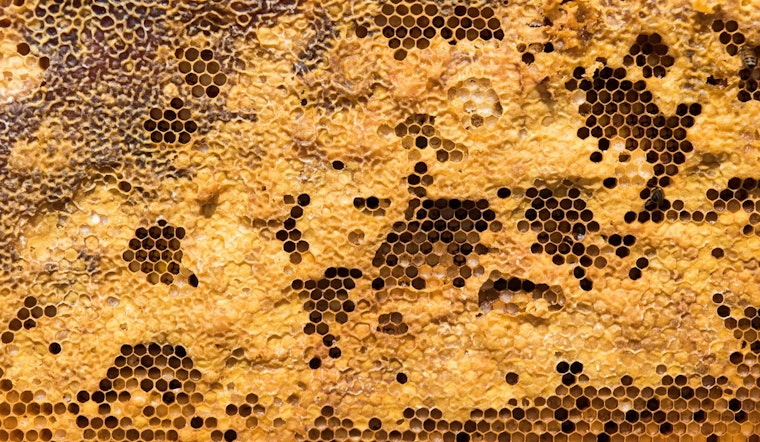
Honey is finally flowing again in Texas after much-needed rains, but behind the sweeter harvest is a bitter reality: tens of thousands of bee colonies have vanished, and specialists say the short-term bump in honey production does little to ease long-term threats to pollination and the farms that depend on it.
Texas A&M AgriLife honey bee specialist Garett Slater told KXAN that timely moisture helped push honey production higher after a dry stretch, saying the rainfall "increased production versus years past." That rebound gave both hobbyists and commercial beekeepers a rare bit of good news going into fall.
Survey shows tens of thousands of hives lost
A statewide survey of more than 400 beekeepers found that roughly 61% of Texas managed colonies were lost in the most recent reporting period, nearly 60,000 hives in all, according to Texas A&M AgriLife. That far exceeds the 15 to 20% annual attrition many operators plan around and lines up with national reporting that puts U.S. losses at about 1.2 million colonies, a shortfall that could tighten pollination services for key crops.
The Texas Tribune notes that the scale of the losses ranks among the worst in recent memory, a stark signal for an industry used to living with some level of risk.
Varroa mites and treatment resistance
Researchers and beekeepers point to Varroa destructor mites as a leading culprit. The parasites weaken bees and spread viruses, and there are growing worries about resistance to common treatments such as amitraz. As reported by KLTV, that mix of mite pressure, disease, and unreliable forage can overwhelm colonies and make rebuilding both slow and expensive.
For smaller operators, the numbers feel less like statistics and more like a threat to survival. "Without water, there is no life," beekeeper Jesus Soto told KXAN, adding that "the last two years haven't offered much" until recent rains helped push this season's honey yields higher.
What comes next for Texas honey
Extension staff and university researchers are racing to pin down causes and share practical management strategies. Texas A&M has hosted outreach webinars and is tracking mite dynamics, nutrition, and disease while working with beekeepers who are trying to rebuild their operations. National coverage has warned that if shortages of managed hives persist, growers could see higher pollination costs and potential ripple effects on produce availability, concerns that state scientists and industry groups are watching closely.
For more on the statewide findings and response efforts, see coverage from Texas A&M AgriLife and The Texas Tribune.
For now, Texas beekeepers are hoping that better weather has at least bought some time. Supporting local producers, following extension guidance on mite control and keeping an eye on forage conditions will be central to whether the state can climb back to healthier hive numbers.





