

























































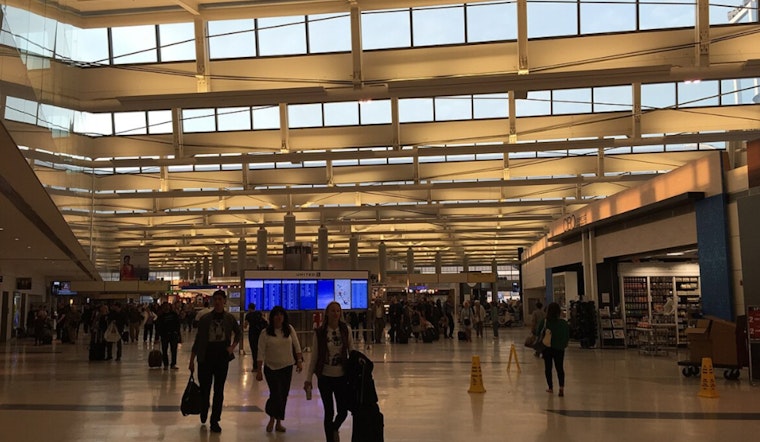
Travel disruptions continue across U.S. airports as flight cancellations and delays increase amid the ongoing government shutdown. Newark Liberty International Airport reported over 200 cancellations yesterday, according to ABC7NY. Last Friday, the Federal Aviation Administration instructed airlines to reduce flights by 4%, a measure expected to increase to a 10% reduction by the end of the week. Transportation Secretary Sean Duffy and FAA Administrator Bryan Bedford cited strain on air traffic controllers, who have been working unpaid and under mandatory overtime, as the reason for the cutbacks.
Not all cancellations are solely due to these mandated cuts. Runway construction at Newark and existing staffing shortages have added to the woes of travelers, with LaGuardia and JFK also experiencing significant disruption, 58 flights (10%) and 25 flights (3%) respectively being canceled. Travelers are increasingly concerned as the holidays draw nearer, with one, Andrea Kowk opting to take Amtrak after her flight was rescheduled without her input, "I received another email saying that the flight was disrupted and these are my options - refund, reschedule the flight or an airline credit," Kowk told ABC7NY.
The disruptions extend beyond New York, with over 2,500 flights canceled nationwide over the weekend. The total number of cancellations is expected to rise, potentially affecting Thanksgiving travel. While some passengers were able to rebook quickly, others faced significant challenges. Heather Xu, 46, said to the New York Post, “Travel is stressful enough. Then you put these disruptions in place, and it really makes everything more challenging,” highlighting the impact on travelers.
The National Air Traffic Controllers Association reported to the New York Post that many controllers are working mandatory overtime six days a week without pay, with some taking second jobs to cover expenses. These operational challenges are affecting not only passengers but also holiday shipping and tourism, with potential implications for higher consumer prices and broader economic strain.





