

























































In a recent and controversial move, the Trump administration has announced the termination of the Temporary Protected Status (TPS) for Somali immigrants residing in Minnesota. This federal protection, which has allowed many Somali individuals to live and work in the United States following destabilizing conditions in their home country, is now set to end, causing unrest among the affected communities and their advocates.
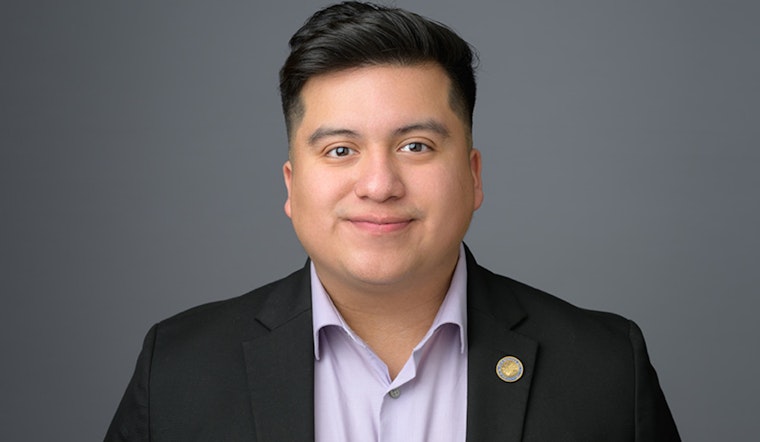
Jason Chavez, a Minneapolis City Council member representing Ward 9, expressed his sentiments over the decision on social media, stating, "I’m sickened to hear the decision made by Donald Trump to terminate the Temporary Protected Status (TPS Program) for Somalis in Minnesota." His post went deeper by criticizing the announcement as dehumanizing and unjust, noting its potential adverse effects on "our hardworking neighbors." The statement, which was made available via Chavez's official Facebook page, also included a commitment from his office to monitor the situation and explore ways to support the community.
The end of the TPS might lead to significant challenges for the Somali immigrants whose status in the U.S. has hitherto been protected under the program. Without TPS, these individuals face the risk of losing their lawful status and becoming vulnerable to deportation. Community leaders and immigration advocates are bracing for a broad set of complications, spanning from legal battles to the stress on families who have built their lives in Minnesota over years, and for some, even decades.
This policy change is expected to have far-reaching implications, not only for those directly affected but also for the local economy and Minnesota's diverse cultural landscape. The Somali population in Minnesota, notably in Minneapolis, has been integral to the community fabric, contributing to the workforce, culture, and local businesses. Following Chavez's post and the ensuing backlash, it is clear that the decision to end TPS for Somalis is another focal point in the ongoing national debate on immigration policy. Equally apparent is the willingness of local officials like Chavez to stand in solidarity with immigrant communities during these trying times.





