

























































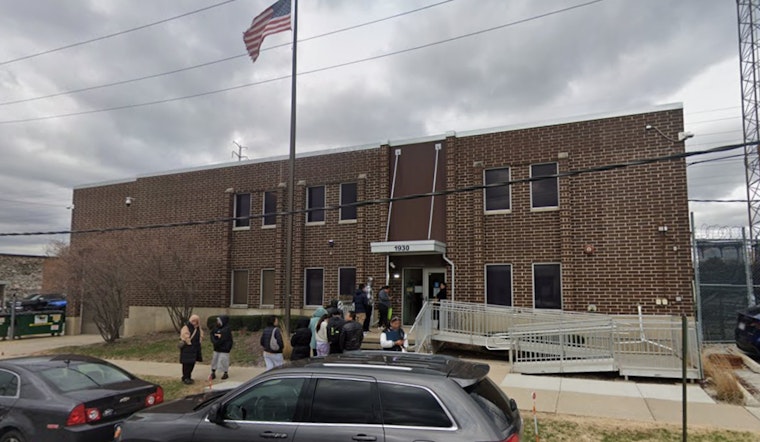
In a court-ordered directive aimed at addressing "inhumane" conditions, U.S. District Judge Robert Gettleman has given the go-ahead to enforce sweeping changes at Broadview's U.S. Immigration and Customs Enforcement facility; these improvements were demanded after detainees brought a lawsuit claiming severe neglect, per NBC Chicago. The 14-day order stipulates that officials must now provide clean bedding mats, sufficient space for sleep, toiletries including soap, toothbrushes, and menstrual products, as well as prescribed medications to detainees, while overcrowding and unsanitary conditions, specifically those involving contact with overflowing toilets, were particular points of concern for Judge Gettleman.
With the established changes due for a status report by Friday noon, the urgency was for the Broadview facility to ensure the basic human rights and dignity of its detainees, which have been long-compromised in an ICE detention climate spreading discomfiture, heightened when a Department of Homeland Security spokesperson staunchly refuted the inmates’ claims and labeled the media and judicial sentiment as a product of "criminal illegal aliens" and an "activist judge," as described in a statement obtained by NBC Chicago.
According to reports from NBC News, the judge's mandate also includes necessary provisions to maintain hygiene with twice-daily cleaning of holding rooms, regular showers, and three full meals alongside accessible bottled water upon request; Judge Gettleman structured his ruling to enforce the right to private, no-cost calls to attorneys for the detainees and the provision of a list of pro bono lawyers in both English and Spanish, cementing a barrier against misleading documentation practices that have been purportedly deployed to extract signatures from the unassuming.
The judicial intervention comes against a backdrop of local turmoil, where Senior Border Patrol official Greg Bovino defended agents' actions during protests, deploying forceful means to curb what they perceive as threats, whilst plaintiff attorneys played a deposition clip showing Bovino's physical engagement during a protest, even as the official denied excessive use of force allegations and federal agents in Chicago endure scrutiny for potential overreach in their operations - scenes unveiling a complex weave of immigration enforcement and community reactions, as attorneys for the Chicago Newspaper Guild and other witnesses articulate experiences of unwarranted aggressive countermeasures by ICE agents, a narrative supported by court transcripts detailing agents' harsh encounters with residents and press.
As part of the broader implications, these legal and civil activities reflect tensions that continue to escalate in the realm of federal immigration oversight within the Chicago area, where now the justice system has stepped in to arbitrate between accusations of mistreatment of detainees and the assertions of necessary protocol in executing law enforcement duties.





