

























































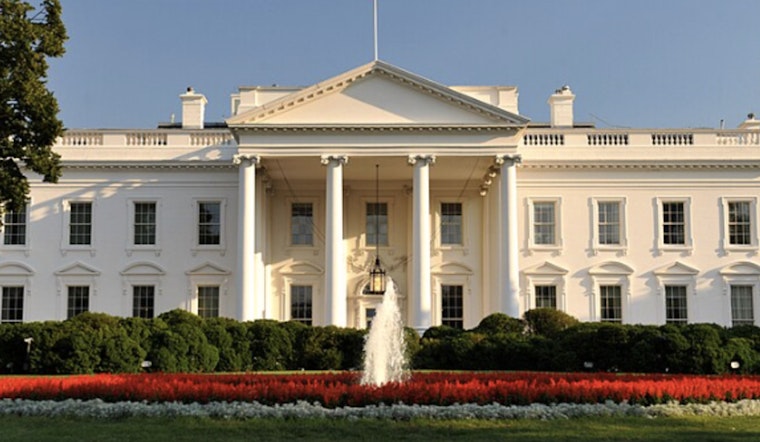
The White House announced an adjustment to duties imposed on products from the People's Republic of China (PRC) in response to the synthetic opioid crisis, primarily driven by the flow of fentanyl into the United States. According to the White House newsletter official statement, the additional ad valorem rate of duty on Chinese goods will be decreased from 20 percent back to 10 percent starting November 10, a move that follows commitments from the PRC to tackle the export of these harmful substances.
This decision reverses an escalation that saw tariffs previously doubling from 10 percent to 20 percent under Executive Order 14228, now, starting next week, all articles subject to this hike will revert to their original tariff rate after the PRC promised to step up control on exports of chemicals used to produce fentanyl and related synthetic opioids, notably halting the shipment of certain designated chemicals to North America and enforcing stricter control on exports to other global destinations. This change reflects bilateral discussions aiming to address what has been declared a national emergency due to the unprecedented scale of opioid addiction and overdose deaths affecting communities across the United States.
Under new instructions, the Secretary of Homeland Security, in consultation with various agencies, including the United States International Trade Commission, will be tasked with ensuring the modifications to the Harmonized Tariff Schedule of the United States (HTSUS) are put into effect. The White House's directive outlines the continuous monitoring of the emergency conditions and the PRC's adherence to its commitments, signaling potential for further action if the PRC fails to follow through.
Further responsibilities have been delegated to the Secretary of Homeland Security, who is authorized to take necessary actions, including implementing rules or guidance to enforce the updated order. These measures will be carried out in coordination with other relevant agencies to ensure compliance and monitor the effects of the policy in response to ongoing public health and security concerns.
The administration has stated that it will continue monitoring compliance, noting that if the PRC does not meet its commitments, the order may be modified as necessary under Executive Order 14195. Officials emphasized that ongoing oversight will guide further actions related to controlling the export of chemicals linked to opioid production.




