

























































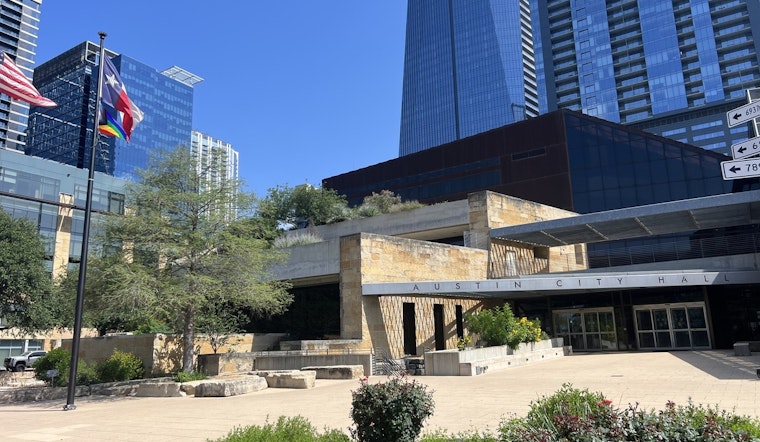
Austin's emergency number crunchers have quietly pulled off a sizable comeback, recovering $34.7 million in disaster-related expenses tied to the pandemic and a string of major storms in fiscal year 2025.
Austin Emergency Management's finance team announced the haul on Tuesday, crediting years of behind-the-scenes work tracking receipts, filing claims and chasing down reimbursements long after TV crews have moved on.
In a press release, the City of Austin said the team "successfully recovered $34.7 million" in expenses and is working with state and federal partners every week to get money back into local operations. AEM Chief Administrative Officer Sara Henry praised the team's persistence and noted that recovery work often stretches on for years after an incident.
The dollars are tied to the city's COVID-19 response, Winter Storm Uri, Winter Storm Mara and the 2015 floods. The city says its COVID-related projects are currently tracking an average reimbursement rate of about 91 percent per project. Staff are still pursuing outstanding claims from those and other past events, and AEM warns that the Public Assistance cost recovery process can be a very long road.
How The City Reclaims Disaster Costs
To qualify for state Public Assistance, the city must document a high level of uninsured, qualifying damage. The City notes a state threshold of roughly $56.5 million and a Travis County threshold near $6.2 million.
Residents can play a role in that calculation. City emergency-preparedness resources encourage people to submit damage reports and photos through state reporting tools and to follow the City’s guidance for documenting losses, which helps show the true scope of local impacts.
Why It Can Take Years
Federal decisions about Public Assistance hinge on annually adjusted per-capita impact indicators and other factors, which helps explain why approvals and reimbursements can drag on.
Per FEMA guidance on public-assistance indicators, FY2025 per-capita markers used in the assessment process are $1.89 at the state level and $4.72 at the county level. Those figures feed into a lengthy paperwork and review pipeline that can keep city staff busy well after the immediate crisis passes.
Where This Fits In The Budget
The recovered funds arrive as Austin operates under a tightened $6.3 billion budget adopted after voters rejected Proposition Q, according to local reporting. City leaders have been balancing cuts and restorations across public safety, housing and other services while looking for both new revenue and savings.
Against that backdrop, $34.7 million flowing back into city coffers is not a magic fix for years of disaster costs, but it does represent money that can be steered back into operations and services instead of being written off.
How Residents Can Help
City officials urge residents to photograph damage to homes and belongings and to submit self-reported losses through the Individual State of Texas Assessment Tool (iSTAT). Better data helps officials quantify the scale of an incident and strengthens the case for state and federal assistance.
The City also directs people to ReadyCentralTexas.org for guidance on using iSTAT and for other local recovery resources.
AEM says staff will keep working with state and federal partners in the weeks and months ahead to pursue additional reimbursements, a reminder that disaster recovery is as much about long-haul accounting as it is about the first rush of emergency response.



