

























































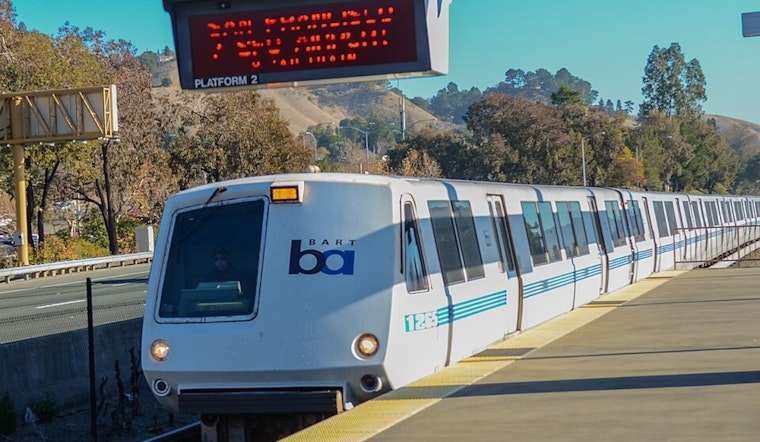
BART is experiencing a surge in ridership, with November data showing a double-digit increase across many of its stations. According to BART's latest release, there's an 11.6% increase in traffic compared to last year, with over 4.4 million trips recorded for the month. This marks a continuation in the upswing that BART has been experiencing. New fare programs, such as Tap and Ride and the Clipper BayPass, are partly to thank, as residents appear to embrace these convenient options warmly.
Seasonal cheer wasn't the only reason people flocked to BART stations over the holiday period. A reported 12% uptick in airport-bound rides to SFO and OAK was noted around Thanksgiving. However, it wasn't only holiday travel pushing numbers up; weekends are now busier on BART, too. Saturdays saw a 19% increase, while Sundays rose by 16% compared to last year's figures. This rise in popularity is accompanied by a slight dip in October rides, a trend that tends to align with the ebb and flow of seasonal travel patterns.
Digging into the weekday data, impressive spikes in average exits were clear in several urban hubs. Downtown Berkeley led the charge with a nearly 20% increase. Stations such as 19th St/Oakland and 12th St/Oakland City Center weren't far behind, with a more than 20% rise in exits. West Oakland and Embarcadero also boasted notable gains of 24% and 17%, respectively, proving that BART's appeal is spreading broadly throughout the Bay Area's urban landscape.
It's not just the convenience that's drawing riders back, but also the financial allure. "11% of total trips in November used Tap and Ride," BART reported, highlighting its status as the first agency to adopt the pay-directly-at-the-gate system in August. The appreciation for discounted travel options is unmistakable. Clipper BayPass usage leaped by a whopping 173% and the Clipper START discount program saw a 37% increase compared to last year. The Next Generation Clipper rollout on December 10 promises to further enhance this convenience, thereby incentivizing public transit use.
But it's not all smooth sailing for the transit agency; despite the upsurge in riders, a $375 million budget shortfall looms large. BART states that to close this gap with fare revenues alone, current ridership figures would need to more than double. The agency's forward-looking budget predicts a 4% increase in ridership for 2026, banking on the gradual return of customers who now mix remote and hybrid work schedules with traditional commutes.





