

























































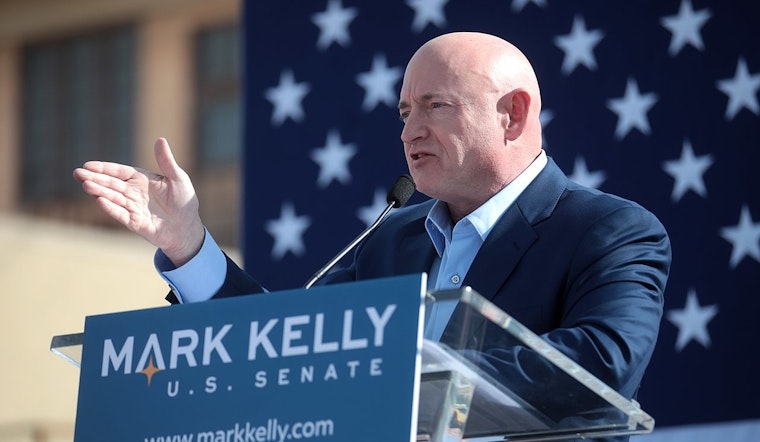
In an effort to expedite the development of local transit projects and trim down the bureaucratic process, a bipartisan group of senators has introduced the Streamline Transit Projects Act, which aims to give more power to state transit agencies for conducting environmental reviews. This move, detailed in a press release on Senator Mark Kelly's official website, suggests that currently slow-moving upgrades could see a significant acceleration.
"Right now, simple transit projects can get tied up in years of red tape. Arizonans shouldn’t have to wait that long for basic upgrades," Senator Kelly explained and Senator Mike Lee added that this act would remove federal overreach in local transit decisions, according to his statement whereas Senators Kelly, Lee, Curtis, and Warnock are looking to pave the way for states to manage construction timelines and quality themselves, potentially bringing a swifter transit reality to constituents.
Under the Streamline Transit Projects Act, qualified public transit agencies would be authorized by the U.S. Department of Transportation to assume responsibilities under the National Environmental Policy Act (NEPA) for specific transit projects. As per the text of the bill, these responsibilities would include determining if activities are within classes of action that do not require environmental assessments or environmental impact statements. Should an agency fail to adequately perform these tasks, the Secretary retains the ability to revoke the assignment.
This legislative proposal has been bluntly endorsed by the Utah Transit Authority, the Wasatch Front Regional Council, and the American Public Transportation Association; Paul P. Skoutelas, President and CEO of APTA, remarked “Public transit agencies have the skilled environmental professionals needed to do this work and it is long-past time to give them this opportunity," suggesting that the expertise exists locally to conduct environmental reviews efficiently and effectively without the cumbersome federal oversight that some argue has slowed transit progress to a crawl.
Senator Curtis highlighted Utah's growth and the necessity to address its related challenges directly stating, "The Streamline Transit Projects Act gives transit agencies the flexibility to meet local needs more efficiently," and Senator Warnock echoed this sentiment by indicating that the bill will help deliver projects that improve local transit and ridership experiences in his comments. The bipartisan nature of the act suggests a shared interest across the aisle in modernizing the way transit projects are brought to fruition, potentially signaling a new phase of infrastructure development.





.jpg)