

























































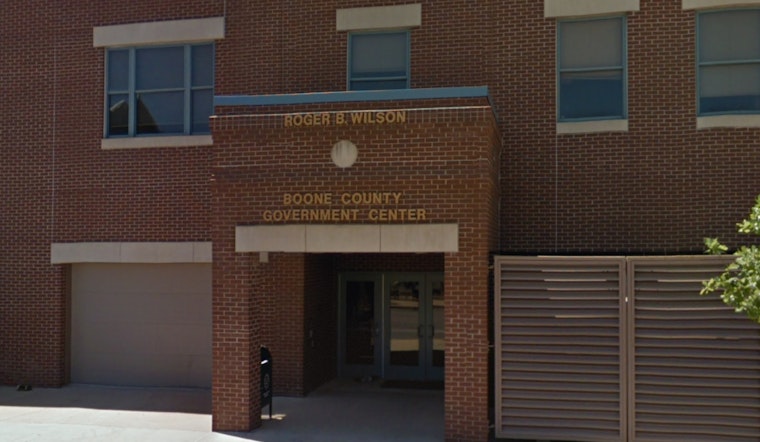
Residents of Boone County are being called upon to weigh in on the future of renewable energy in their area. The Boone County Area Planning Commission (APC) has released "Draft B," a provisional ordinance aimed at governing the development of renewable energy across the county's unincorporated territories. This much-anticipated document can now be dissected and discussed by those it impacts directly – the stakeholders, locals, and landowners – with feedback welcomed before an updated version is put forward next Monday. Not just a call to action, the APC is sculpting a future with careful consideration, asking for voices to be heard before its special meeting slated for December 17. For a deep dive into the particulars, the draft is accessible for review here.
Within this draft ordinance lies a blueprint for an "Energy Overlay District," a land-use category that would serve as the template for where and how renewable energy infrastructures, such as Solar Energy Systems (SES), Wind Energy Systems (WES), and Battery Energy Storage Systems (BESS), could flourish within the bounds of Boone County's pastoral setting. In an effort to balance such modern installations with traditional rural and farming values, Boone County has set forth a proposal. Their intent, lofty yet clear: to protect the integrity of the countryside and the wallets of those whose views may shift from corn fields to solar arrays.
Among the crucial elements of this drafted language is a resolute stance against commercial wind turbines, outright barring the erection of Commercial Wind Energy Systems within the unincorporated areas the APC oversees. Commercial solar energy projects aren't given free rein either; they have the hurdle of rezoning to clear before bathing in the Overlay District's sunlight. There's a cliff of requirements they must summit – from mandatory Special Exception approvals to strict siting criteria that, for instance, limit solar structures to no more than 5% coverage on Prime Farmland, aiming to preserve the vestiges of Boone County's agricultural heritage.
But it's not just about the placing of panels and the turning of turbines, but also the responsibility and foresight demanded of developers. Before even breaking soil, refined pre-construction analysis must measure the water and earth, ensuring no taint or disruption roots from progress. And in a move suggesting foresightedness, the ordinance compels developers to guarantee property values for residents nestling within two miles of a project, giving homeowners some peace in a time of transition. When these systems eventually fulfill their duties, a clear path for decommissioning stands laid out, including a financial security bond at a hefty 150% of estimated removal costs – a bulwark ensuring that the lands of Boone County will not bear the scars of energy's march indefinitely.
As Boone County navigates the interplay between progress and preservation, the community's input becomes the linchpin in a much larger conversation about the shape and shade of renewable energy's footprint. Opportunities for public comment are not ephemeral but pivotal, such that decisions born out of Draft B tread with respect for the natural and built environment. Locals have been given the megaphone; what resonates back to the ears of the APC will determine the harmony between Boone County's pastoral melody and the chord struck by renewable energy's advance.





