

























































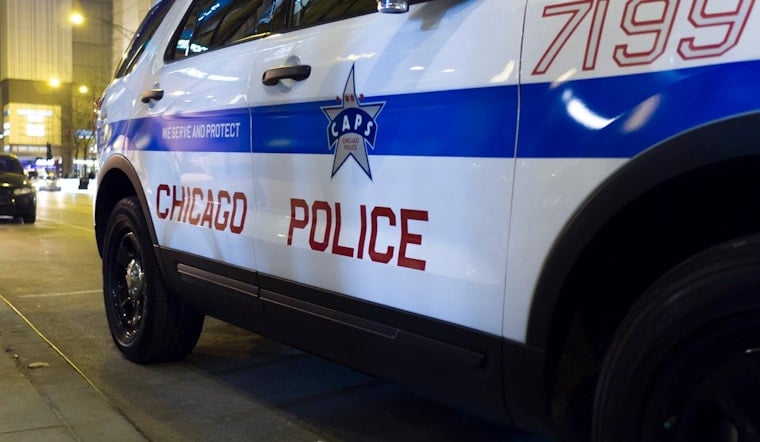
Two Chicago police officers who civilian oversight investigators found engaged in sexual misconduct were promoted to sergeant this spring, even after the Civilian Office of Police Accountability recommended that both be fired. The promotions have reignited questions about how the Chicago Police Department weighs disciplinary histories when it decides who gets to supervise patrol officers across the city’s neighborhoods.
Investigations, Promotions, And Street Assignments
The Civilian Office of Police Accountability found that Sgt. Ernesto Guzman-Sanchez created a fake Facebook account, shared a nude photo of a woman he had been involved with, and then lied to investigators about it. COPA recommended that he be fired. Instead, Guzman-Sanchez later negotiated a one-year suspension and was ultimately assigned to supervise officers downtown and in the West Loop, according to ProPublica.
The same COPA report shows that Sgt. Christopher Lockhart was also the subject of misconduct findings. Investigators said his actions "seriously undermined public faith, credibility, and trust in the Department." Lockhart was promoted this year and assigned to supervise patrols on the South Side.
How The Promotions Game Is Really Played
Roughly 70% of promotions to sergeant and lieutenant are driven by a two-part rank-order exam, not by a deep look at disciplinary history. Under CPD’s so-called merit track, an officer’s record only comes into play in limited situations, according to DCI Consulting Group reports prepared for the department.
In reviews completed in 2020 and 2023, DCI urged CPD to update its rules so that discipline can be factored into promotion decisions and noted that Chicago’s system is out of step with what many other large departments do.
Reform Advocates Say Supervisors Set The Tone
Civil-rights groups and police reform advocates argue that elevating officers with troubling disciplinary records chips away at public trust and sends a loud message to younger officers about what really matters in the department.
"To me, the question really is, why isn't this elevated as a priority?" Joe Ferguson of the Civic Federation asked. Elizabeth Payne of the Chicago Alliance Against Sexual Exploitation told the Chicago Sun-Times that promoting officers with these histories sends a damaging message to both the public and rank-and-file cops.
City Hall Promises A Hard Look At Promotions
City officials have publicly acknowledged the concern. Mayor Brandon Johnson has said he plans to work with Superintendent Larry Snelling to make reforms to the promotions system a priority. Snelling has told the federal judge overseeing the department’s consent decree that CPD wants to move carefully and write promotion rules that can survive legal challenges.
Reporting also shows the city paid consultants at least $430,000 to examine its personnel policies, according to ProPublica.
Consent Decree Pressure And Accountability Stakes
The promotions dispute is now tangled up with the federal consent decree that followed the Laquan McDonald case. That decree requires CPD to adopt a promotions policy that takes officers’ disciplinary histories into account.
Assistant Illinois Attorney General Abigail Durkin recently warned in court that the department is still not in compliance with that requirement, as reported by the Chicago Sun-Times. Advocates say that until the promotions process is fixed, the consent decree’s goal of rebuilding community trust will be undermined and the supervisors who shape day-to-day policing will remain largely insulated from meaningful accountability.





