

























































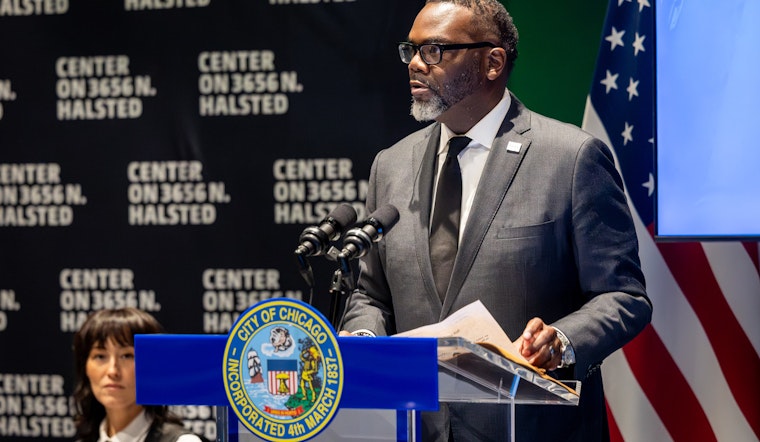
In a stern rebuke of recent federal measures, Chicago Mayor Brandon Johnson has taken a stand against the Trump administration's latest policy changes affecting the LGBTQ+ community. These changes include restricting housing assistance for individuals with HIV/AIDS and withholding Medicare and Medicaid funds from healthcare providers that offer gender-affirming care to transgender youth. "The Trump administration’s move to restrict access to housing and healthcare for LGBTQ+ Chicagoans is a blatantly dehumanizing attack which will endanger thousands of lives," stated Johnson.
According to the same statement by Mayor Johnson, the Trump administration's decision is expected to lead to up to 4,000 Chicagoans becoming homeless or housing insecure, effectively reducing the city’s housing units by 270 and costing potentially 30 full-time jobs. The loss of funding and support for these programs comes at a critical juncture, with Johnson emphasizing the urgent need to tackle the housing crisis that the city currently faces.
Furthermore, Mayor Johnson highlighted the far-reaching impact of the new healthcare policy on both institutions and individuals. Hospitals that provide gender-affirming care are at risk of experiencing service reductions and staffing losses due to the funding restrictions. "Restricting healthcare access raises the risk of service reductions, staffing losses, and higher costs at local hospitals," Johnson explained, noting the added strain on families already burdened by increasing healthcare expenses.
Undeterred in his commitment to the LGBTQ+ community, Johnson announced the continuation of advocacy under the Protecting Chicago initiative. "As a City, we will not back down from our commitment to supporting the LGBTQ+ community," Johnson vowed while calling the Trump administration's decisions not just anti-science, but "anti-human." The Mayor's office, working closely with partner organizations and advisory councils, plans to coordinate a citywide response to ensure necessary healthcare remains accessible for every Chicagoan, particularly those from marginalized communities.





