

























































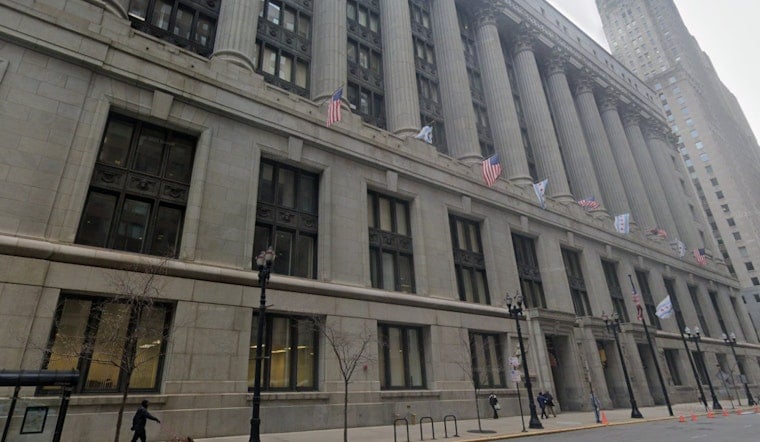
One of Chicago's best-known anti-poverty legal advocates is planning its final act. The Shriver Center on Poverty Law, a long-running Chicago legal advocacy organization, says it will shut down at the end of 2025, closing the book on more than five decades of litigation and policy work focused on economic, health, and racial justice. The move, announced this week, marks a major loss for the city's legal advocacy network and statewide policy campaigns.
The decision was shared in an email to partners and reported by the Chicago Tribune, which notes that the board chose to wind the organization down after years of financial strain tied to a structural deficit and declining earned and donated revenue. According to the outlet, the board spent the past year evaluating "the best path forward" before settling on closure at the end of 2025.
A half-century of national advocacy
Named for Robert Sargent Shriver, a key figure in the War on Poverty and the Peace Corps, the center has spent more than 50 years shaping litigation and policy in defense of low-income communities. According to the Shriver Center on Poverty Law, its work has centered on litigation, policy advocacy, and training multi-state networks of lawyers, community leaders, and activists to advance economic and racial justice.
Board cites finances in decision
The Chicago Tribune reports that the organization has been operating with a structural deficit. The board identified shrinking earned income and donated revenue as key reasons for the decision to close. The outlet notes that board members weighed various options over the past year before deciding that a structured wind-down was the most responsible way to wrap up the center's work.
Programs and partner networks at risk
The planned closure puts a question mark over several programs that have given the Shriver Center an outsized footprint beyond Chicago. Those efforts include impact litigation, the Legal Impact Network and the Racial Justice Institute, along with training programs that bring together attorneys from multiple states. According to the Shriver Center on Poverty Law, these coordinated advocacy and training networks have been central to the organization's mission and statewide influence.
Where to turn for legal help
For individuals looking for legal assistance, local civil legal aid groups are still in the fight. Legal Aid Chicago, for example, offers free civil legal services across Cook County and screens callers for eligibility. Details on who qualifies and how to get help are available through Legal Aid Chicago.
Bigger picture and next steps
Even organizations that appear solid on paper can run into serious headwinds. Charity Navigator's profile of the Shriver Center shows it was rated highly on accountability and finance in its most recent fiscal filings. For a closer look at those numbers, see Charity Navigator.
The Shriver Center's planned year-end 2025 closure leaves a sizable gap in Chicago's legal advocacy ecosystem, particularly around statewide policy campaigns and the training networks it convened. As the organization winds down and hands off key campaigns, partners, funders and other legal aid groups will be watching closely to see who steps in to carry that work forward.





