

























































What started as a quick act of charity on a Chicago sidewalk ended with nearly $45,000 drained from one woman’s bank account, after a series of tap-to-pay charges she says she never knowingly approved.
The Chicago resident, identified only as Lauren in television coverage, told WGN-TV that three men approached her, claimed they were collecting donations for a South Side daycare and held out a phone for her to tap her card. Instead of a small contribution, she later discovered nine separate charges totaling about $45,000. She filed a police report and contacted Bank of America, but said her fraud claim was initially denied. According to the station, the bank ultimately reversed the charges and refunded her after reporters pressed for an explanation.
“My brain just could not wrap around that denial,” she told WGN-TV, recalling the moment she saw her balance gutted. She said she is speaking out in hopes that her ordeal will keep other Chicagoans from watching a quick donation turn into a financial disaster.
How the tap-to-pay donation ruse works
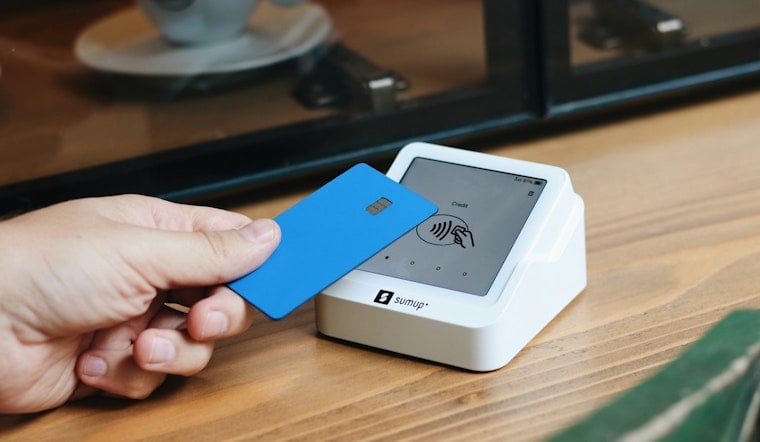
Reporters and victims describe the scam as smooth and scripted. The pitch often starts with a printed flyer or photo and a heartbreaking story, followed by a firm insistence that donations must be made by tapping a card or phone to a payment reader set up on a cellphone. ABC7 Chicago has highlighted multiple cases where people who thought they were giving $10 or $20 later logged in to find thousands of dollars gone.
As contactless payments have become easier for legitimate small businesses to accept, scammers have taken advantage. Companies have rolled out "Tap to Pay on iPhone" to a wide range of merchant apps, allowing someone with a phone and a business account to accept payments with almost no hardware. Business Wire covered that expansion, while local TV reporting shows some victims only saw their money returned after stations started asking banks pointed questions. In one case cited by CBS Chicago, a refund was issued just before a planned on-camera interview.
Why banks sometimes will not refund
Banks often treat tap-to-pay transactions as fully authorized, since the cardholder physically brought a card or phone close to the reader. That can make it tougher to label the charges as fraud unless a customer can show evidence of coercion, trickery, or some other abuse. ABC7 Chicago reports that police reports, photos, and witnesses can all be crucial for convincing a bank to revisit a denial and reopen a dispute. In practice, that leaves victims scrambling to build a paper trail while rent, bills, and everyday expenses loom.
What to do if it happens to you
If you suspect you have been hit by a tap-to-pay scam, contact your bank or card issuer immediately and file a police report so there is an official record of what happened. Save everything you can: screenshots of your transaction history, photos of any flyers or receipt,s and names or contact information for possible witnesses.
Victims are also urged to file complaints with both the Illinois Attorney General and the Federal Trade Commission so regulators can see broader patterns. The Illinois Attorney General offers an online consumer portal, and the FTC runs ReportFraud.ftc.gov. Both agencies use those complaints to track trends and refer cases for potential enforcement.
Lauren told WGN-TV she hopes that by telling her story, she will help neighbors think twice before tapping their cards on a stranger’s phone, no matter how convincing the pitch or how urgent the plea.




