

























































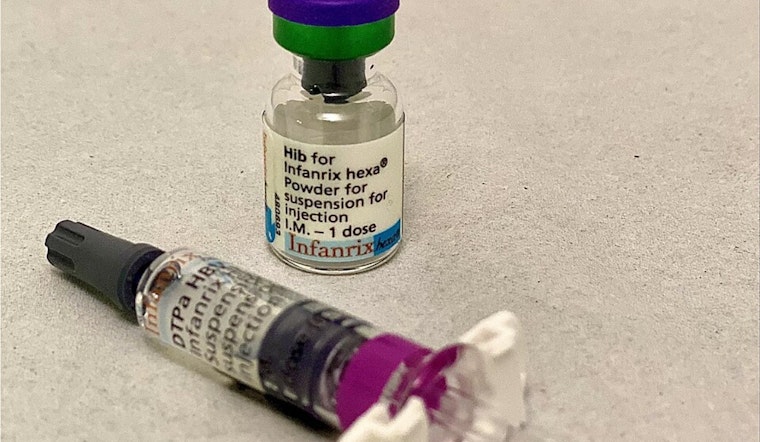
Parents in Denver are facing a new health decision for their newborns, as the go-to policy for hepatitis B vaccinations at birth shifts to a more individualized approach. According to Denver Public Health, the federal Advisory Committee on Immunization Practices (ACIP) has recently voted to change its long-standing recommendation for universal hepatitis B vaccination of newborns. Since 1991, the stance has been to vaccinate all newborns to prevent hepatitis B infections effectively, reducing cases in children by 99% nationwide. Now, the ACIP advocates for shared clinical decision-making between parents and providers, rather than a blanket recommendation.
Despite this national shift, local health officials are steadfast in their stance. "The experts at DDPHE continue to recommend that all newborns receive the hepatitis B vaccine at birth," citing decades of scientific evidence that reinforce the vaccine's safety and effectiveness as a crucial preventive measure against serious liver disease and cancer later in life, as per Denver Public Health. This information comes in the wake of data indicating that nearly one in three Colorado families reportedly go without early prenatal care, potentially leaving some parents uninformed about their hepatitis B status at the critical moment of their child's birth.
Hepatitis B poses a significant risk when transferred from parent to child during childbirth, potentially resulting in chronic infection and serious health problems, including liver cancer. However, as per Denver Public Health, the birth dose of the vaccine serves as a key preventive intervention. The vaccine's safety record is touted to be one of the "strongest" among childhood vaccines, having been rigorously studied for over 30 years.



