

























































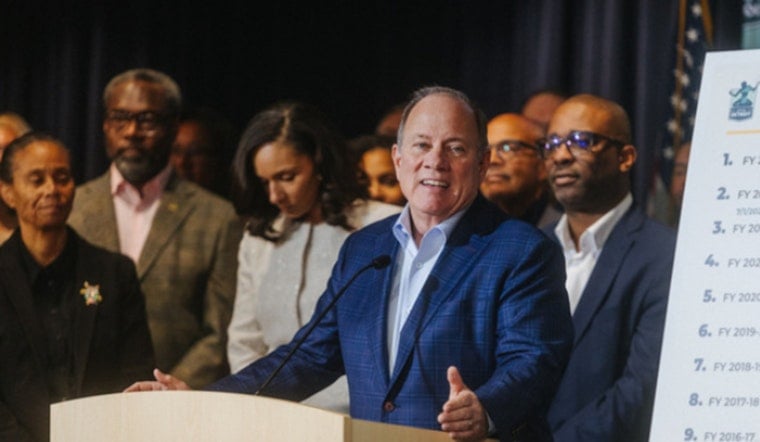
It's a merry financial season for Detroit as city officials report a budget surplus of $105 million. The city closes out the fiscal year, which ended on June 30, marking it as the 11th consecutive surplus since leaving bankruptcy in 2014. Due credit is given to the chief financial officer, Tanya Stoudemire, and the operational prowess of city department heads for carefully managing expenses while still maintaining vital city services, according to the City of Detroit.
Mayor Mike Duggan, whose tenure has seen Detroit's financial panorama transform, attributes the success to "strong expense management" ensuring that nearly every department stayed under budget and city services were not compromised; this balancing act has been a cornerstone in Detroit's recovery. The mayor, who leaves behind a legacy of financial stewardship, has fostered a partnership with the City Council that has resulted in an era of balanced budgets and successive surpluses, which have been instrumental for the city's consistent growth and stability, as reported by the City of Detroit.
While Mayor-Elect Mary Sheffield is poised to take the reins, the surplus's utilization is a collective decision to be made by Sheffield and the City Council in the forthcoming budget discussions. She recognizes the surplus and the whopping $548 million in reserve funds as a testament to "years of strong stewardship and collaboration,” as stated by the City of Detroit.
The city’s surplus was much larger than expected, ending the year $45 million higher than earlier estimates. This gives the Sheffield administration a strong financial start. The city also has large reserve funds, including a $150 million Rainy Day Fund, money set aside for retiree benefits, risk management, and corporate tax reserves. Together, these funds provide protection against economic uncertainty and support future investments in Detroit.



