

























































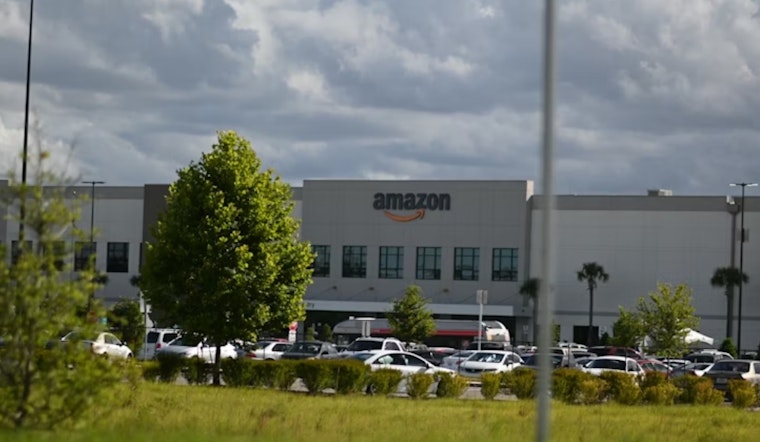
A new national study says two major El Paso public entities quietly ran up roughly $1.76 million in Amazon charges in 2023, a spending spree local merchants argue may have steered taxpayer dollars away from cheaper neighborhood suppliers. The findings are part of a broader look at government purchasing that is now raising uncomfortable questions about pricing, transparency, and whether city and school officials are really getting the best deal on everyday supplies.
According to a report by the Institute for Local Self‑Reliance, cities, counties, and school districts spent an estimated $2.2 billion with Amazon Business in 2023. In the study’s appendix, the City of El Paso is listed at $758,314, and Ysleta Independent School District at $1,001,010 for that year. ILSR says its analysis, based on purchasing records from 128 local governments, shows that Amazon’s “dynamic pricing” and certain group‑purchasing contracts can produce big price swings between agencies. The report argues that those gaps, along with platform fees, can shrink local tax bases and push independent suppliers toward the brink.
Local Suppliers Say They’re Getting Squeezed
Local vendors say they feel that squeeze every day. Sandy Grodin, owner of El Paso Office Products, told the El Paso Herald Post that Amazon was selling Avery 5160 labels below his wholesale cost and that “it means I have to lay off people” if he has to give up revenue to the platform. He also told reporters that Amazon’s fees can eat up roughly 45 percent of a sale, a charge he says leaves independent sellers with almost no margin to compete.
Pricing Disparities And The Gatekeeper Problem
The ILSR report lays out dozens of stark examples of pricing disparities. On May 30, 2023, one municipality paid $8.99 for a 12‑pack of Sharpie markers while a neighboring school district paid $28.63 for the same SKU, according to the study. Across the 100 most‑ordered products, the highest price was on average 136 percent higher than the lowest, and ILSR estimates governments could have saved at least 17 percent on routine supplies if they had consistently received Amazon’s lowest prices. The authors say those gaps are partly the result of algorithmic pricing and group contracts that give the platform outsized control over procurement terms and prices, and the report’s data appendix lists local spending by jurisdiction. The ILSR report spells out the evidence and the math.
What Officials Could Do
ILSR’s authors urge several remedies, including banning dynamic pricing in procurement contracts, restoring competitive bidding, and prioritizing local suppliers, measures the group says would save public money and protect local tax bases. Those recommendations appear in the organization’s report and in press materials distributed via PR Newswire. For El Paso, the report’s appendix gives officials a concrete place to start: comparing the city’s roughly $758,314 in Amazon purchases and Ysleta ISD’s $1,001,010 to bids from local vendors could reveal savings and keep more procurement dollars circulating in the local economy instead of flowing out through a single online giant.





