

























































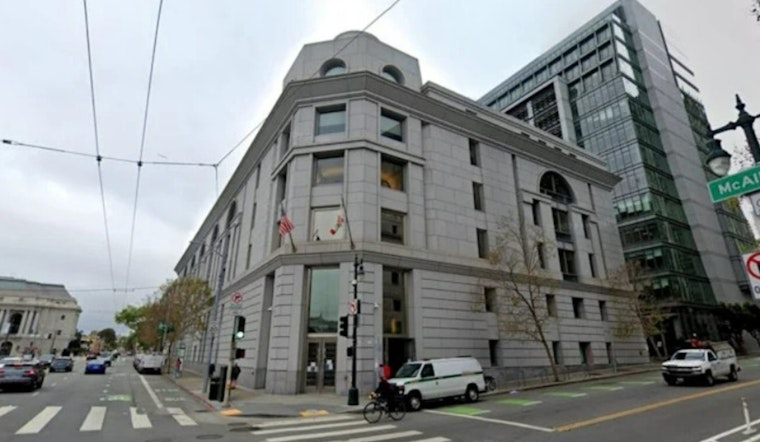
The long‑simmering tension between the San Francisco Public Defender’s Office and the District Attorney’s Office boiled over in public yesterday, with each side accusing the other of playing fast and loose with the rules on evidence.
At the center of the feud: misdemeanor discovery. Public defenders say prosecutors are repeatedly turning over crucial material too late, while the DA’s office insists there is no systemic pattern. The stakes are real, not rhetorical, with both sides warning that clogged discovery pipelines could upend trials, guilty pleas and even entire cases.
According to Mission Local, the Public Defender’s Office says it has logged 76 discovery violations across 40 of 83 misdemeanor trials. The allegedly late or missing material ranges from damaged or lost lab samples to 911 recordings and body‑worn camera footage. The office says it flagged its concerns to the California State Bar months ago and has shared raw violation counts with reporters as part of what it calls a systemic discovery problem. In some cases, public defenders say, judges have told juries they may weigh late disclosures against the prosecution, or have tossed cases outright when delays were too severe.
Examples From Courtrooms
One case that has become a cautionary tale involves an eight‑year‑old DUI prosecution. At a recent hearing, defense counsel told a judge that blood vials sent to a Pennsylvania lab went missing for more than six months and that the defense only learned about the lapse after a late November disclosure, according to the Davis Vanguard. That revelation fueled motions centered on lost evidence and chain‑of‑custody problems, leaving judges to consider remedies that can include suppressing test results, dismissing charges or giving juries pointed instructions about what the delay might mean.
DA’s Office Pushes Back
The District Attorney’s Office flatly rejects the idea that it is running a chronic discovery operation in violation mode, characterizing the Public Defender’s claims as an effort to “litigate in the court of public opinion,” according to the San Francisco Chronicle. Prosecutors say timing issues represent a sliver of their overall work and point to sheer volume: in 2024, the office says it sent out more than 1.4 million pages of discovery across over 30,000 packets, along with more than 240,000 body‑worn camera videos. With numbers like that, the DA’s team argues, occasional timing glitches are almost inevitable. The office has also fired back that the Public Defender’s Office is not always blameless, accusing defense lawyers of sometimes delaying their own disclosures.
Legal Stakes: Brady, Trombetta And Remedies
Behind the finger‑pointing is a set of bedrock legal rules. Prosecutors must turn over evidence that is material to guilt or punishment under Brady v. Maryland, according to the Legal Information Institute. Courts have also made clear that the government has to preserve clearly material evidence or face consequences under precedents such as California v. Trombetta, outlined by the Legal Information Institute and related rulings.
When key material surfaces late or cannot be tested, judges have tools: they can throw out particular pieces of evidence, give juries special instructions about how to treat the delay or, in more serious situations, dismiss charges altogether. Defense attorneys say those kinds of outcomes have already occurred in a small number of cases swept up in the current discovery fight.
What The Offices Want
Public defenders told Mission Local they have shared their violation counts with the State Bar and are pushing for some form of independent review. The DA’s office, for its part, says this is less a scandal than a staffing and logistics problem and argues the solution lies in more personnel and stronger discovery systems to stay ahead of a recent uptick in misdemeanor filings.
Both camps publicly say they want cases decided on the evidence rather than on paperwork mishaps. In practice, the clash has translated into a steady drumbeat of pretrial motions, contested hearings and sidebars over timestamps and chain‑of‑custody logs.
What To Watch
Expect the discovery tug‑of‑war to keep spilling into court as judges, prosecutors and defense lawyers comb through production records and preservation notes. Individual rulings could reshape specific prosecutions and also build a record for future appeals.
Context matters here. Earlier this year, the State Bar sent District Attorney Brooke Jenkins to a diversion program in connection with separate ethics complaints, a step that has sharpened public scrutiny of discovery practices and prosecutorial conduct, according to the San Francisco Chronicle. With that backdrop, every late file, missing vial and contested video is getting a harder look than usual in San Francisco’s already tense courthouse halls.





