

























































At a recent joint hearing of the Subcommittee on Economic Growth, Energy Policy, and Regulatory Affairs and the Subcommittee on Health Care and Financial Services, experts weighed in on the high cost of healthcare and the potential for technology to reduce those costs. The hearing, ambitiously titled "Lowering the Cost of Healthcare: Technology’s Role in Driving Affordability", brought forth testimony from various industry professionals concerning the issue of overbearing regulations increasing healthcare expenses for Americans.
According to the House Committee on Oversight and Reform, there are concerns about flaws in the U.S. healthcare system. Dr. Darius Lakdawalla of USC said Medicare’s current policies discourage long-term preventive care, including routine measures like flu shots. Dr. Ziad Obermeyer of UC Berkeley added that heavy bureaucracy makes it extremely difficult to access health data, slowing research and innovation. He noted that the complex approval process does little to protect patients and instead creates delays and opportunities for bias, ultimately holding back progress in healthcare and artificial intelligence.
Chris Jacobs, from the Juniper Research Group, took a swing at the Affordable Care Act (ACA), blaming it for failing to control healthcare costs and for doubling individual health insurance premiums within its first four years of full implementation. Likewise, Brian Whorley of Paytient Technologies Inc. addressed an opportunity for technology to provide immediate assistance to seniors at pharmacy counters, which could mitigate some of the coverage delays and complications associated with current regulations.
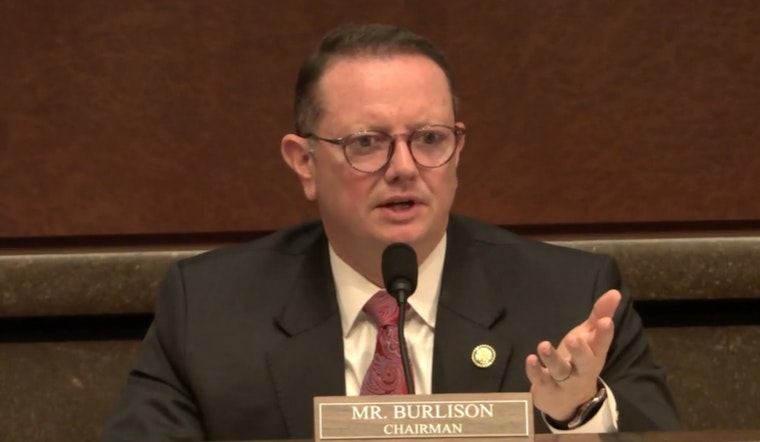
During the hearing, Rep. Eric Burlison (R-Mo.) asked about the effect of regulations from past administrations on healthcare costs and innovation. Brian Whorley agreed that the lack of regulations often spurs innovation, suggesting that more freedom in the market could lead to improved care. Similarly, Subcommittee Chairman Glenn Grothman (R-Wis.) highlighted concerning trends of increasing chronic health issues in children, coupled with rising healthcare costs that fail to enhance patient health. Jacobs acknowledged significant wasteful spending within the healthcare system, emphasizing a need for transparency in pricing and quality for consumers to become smarter shoppers of healthcare services, according to the House Oversight Committee.
The hearing also addressed concerns over healthcare coverage fraud. Rep. Byron Donalds (R-Fla.) highlighted cases in which the same Social Security number was used to obtain subsidized insurance, prompting discussion on how to curb such abuses. Obermeyer also spoke about the growing role of artificial intelligence in the healthcare workforce, noting that while AI may shift how certain jobs are performed, it does not inherently eliminate them.
Rep. Brandon Gill (R-Texas) also raised concerns about the Affordable Care Act, arguing that it fell short of its promise to lower premiums, which he noted had doubled in the law’s early years. Jacobs added that rising costs were further driven by increased consolidation within the healthcare market following the ACA’s implementation, as mentioned in the same press release.
What the hearing underscored is a shared belief among participants that innovation and technology hold promise for creating a more cost-effective healthcare system, provided the regulatory environment enables such advancements. This remains an area of bipartisan consensus and concern as lawmakers grapple with the balance between patient protection and market freedom.





