

























































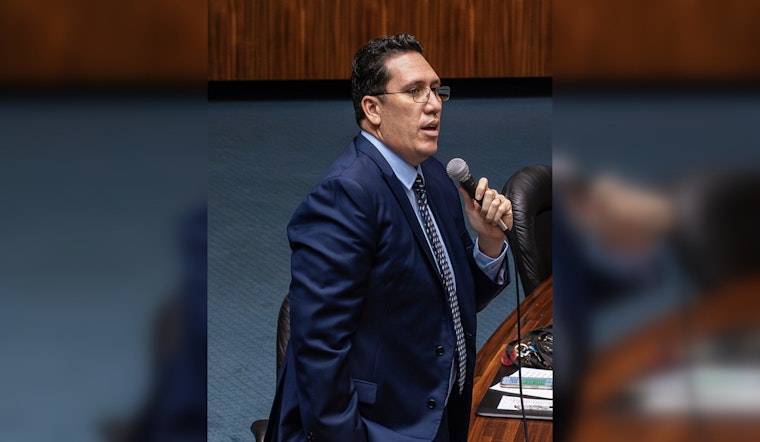
Hawaiʻi state Sen. Jarrett Keohokalole criticized a new federal expansion of travel restrictions that includes the Kingdom of Tonga, calling it discriminatory and potentially harmful for Pacific Islander families. The policy, which limits certain travel and immigration pathways, is scheduled to take effect on Jan. 1, 2026. Keohokalole said the restrictions could affect long-standing family, cultural, and economic connections between Hawaiʻi and the Pacific, and raised concerns about the possibility of racial profiling.
The latest presidential proclamation adds Tonga to a list of countries subject to full or partial entry suspensions, effective Jan. 1, 2026, according to The White House. Federal officials say the expansion addresses concerns about document fraud, high visa overstay rates, and insufficient vetting by certain governments. Civil-rights groups and legal observers have criticized the move.
Hawaiʻi state Sen. Jarrett Keohokalole criticized the inclusion of Tonga in a new federal expansion of travel restrictions, which will limit certain travel and immigration pathways starting Jan. 1, 2026. Keohokalole, who chairs the Hawaiʻi Senate Commerce and Consumer Protection Committee, said the policy could affect Polynesian families and communities. The presidential proclamation adds Tonga to a list of countries facing full or partial entry suspensions, citing concerns about document fraud, high visa overstay rates, and insufficient vetting by some governments. Civil-rights groups and legal observers have raised objections to the move.
Roots in Hawaiʻi, ripple effects on Maui
Keohokalole and other local leaders note that Hawaiʻi’s genealogical and cultural connections to Tonga mean the new travel restrictions could have local impacts. Maui has Tongan communities concentrated in areas such as Lahaina and Kahului, and statewide estimates indicate about 8,000 residents of Tongan descent, as per Maui Now. Community organizers say the restrictions could affect family visits, church networks, and student and cultural exchanges between Hawaiʻi and the broader Pacific.
Enforcement worries and a recent Maui ICE action
Keohokalole and advocates have expressed concern that the expanded travel restrictions could lead to stricter enforcement and profiling based on language, occupation, or appearance. In May, Immigration and Customs Enforcement briefly detained about a dozen teachers, mainly J-1 exchange educators, during an operation in Kahului that was described as disruptive. Community leaders say broad nationality-based restrictions could also affect other Pacific Islander and immigrant communities across Hawaiʻi.
How the proclamation works
Legal analysts note that the proclamation distinguishes between full suspensions and partial restrictions. Partial restrictions generally apply to visitors and students on B-1/B-2, F, M, and J visas, while some categories are exempt. Common exemptions include lawful permanent residents, diplomatic travelers, and certain athletes, and consular officers may be instructed to reduce visa validity for affected nationals. These provisions could result in delays or denials for family visits, exchange students, and short-term workers, even when U.S. sponsors are prepared to host them.
Lawmakers and advocates push back
Keohokalole’s statement reflects concerns raised by Pacific governments, civil-rights groups, and some lawmakers, who say the policy could politicize immigration and disproportionately affect communities of color. National reporting indicates that advocates and some foreign officials are calling for more targeted, intelligence-based approaches rather than broad nationality-based restrictions. Hawaiʻi officials have said they will monitor the implementation of the rules and seek protections for residents with family and cultural ties across the Pacific.
With the new restrictions set to take effect on Jan. 1, 2026, community leaders on Maui and across Hawaiʻi say they will closely monitor consular guidance, waivers, and case-by-case decisions to see how families, students, and cultural exchanges are affected. Local officials plan to raise urgent issues with federal partners as the policy is implemented.





