

























































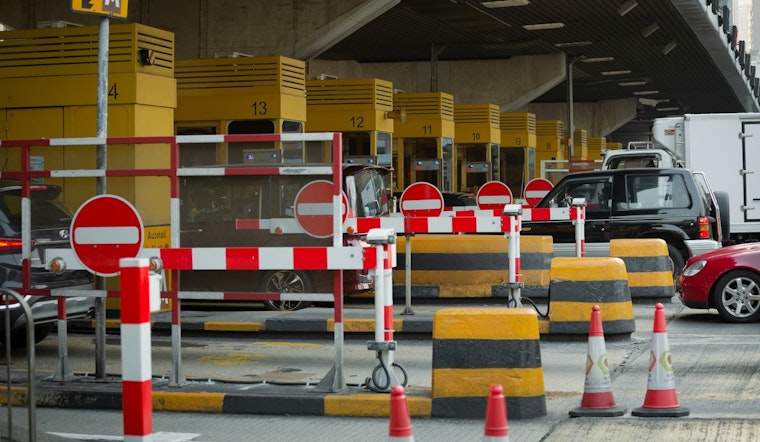
Drivers in Illinois may soon feel the pinch at toll booths across the state as new legislation, aimed at shoring up transit funding and updating public transportation, sets the stage for increases in tollway fees. Governor J.B. Pritzker recently signed a $1.5 billion transit bill into law, which, while promising to transform public transit, also spells a cost surge for motorists and transport companies.
Under the new Northern Illinois Transit Authority Act, reported by NBC Chicago, the present Regional Transportation Authority will be replaced by the more expansive Northern Illinois Transit Authority (NITA). The tollway fee hikes are projected as early as 2026 and could deliver a financial jolt for commercial drivers, with a possible 30% hike in tolls on the horizon. "This is a once in a lifetime investment that will benefit everyone, especially the overall Illinois economy,” Pritzker said during a press conference on Tuesday.
Revenue for this sweeping initiative is set to be sourced from a rededicated state fuel sales tax and a sales tax increase in a handful of counties. "That tax revenue at the pump previously bolstered the 'State Road Fund,'" as Kye Martin from NBC Chicago explained. The Illinois Tollway Authority, now empowered to adjust toll rates, may soon use this avenue to sustain its various projects.
The alterations in toll fares are earmarked for use in Tollway maintenance and improvements, with the generated revenue remaining isolated from the transit funding. A fact sheet from Governor Pritzker's office, shared by the official press release, stressed that even with these hikes, Illinois Tollway rates are "below most peer systems nationwide." Meanwhile, the bill's safety section mandates updated safety plans and will see unarmed “ambassadors” aboard trains and buses by 2027 for increased protection.
Clarity on when exactly drivers can expect the toll increases is anticipated by the summer of 2026. The Illinois Tollway Board, according to NBC Chicago, meets for its final meeting of 2025 on Thursday, with the 2026 budget plan on the agenda. Although toll adjustments may be up for discussion, decisions are unlikely to materialize from this meeting.





