

























































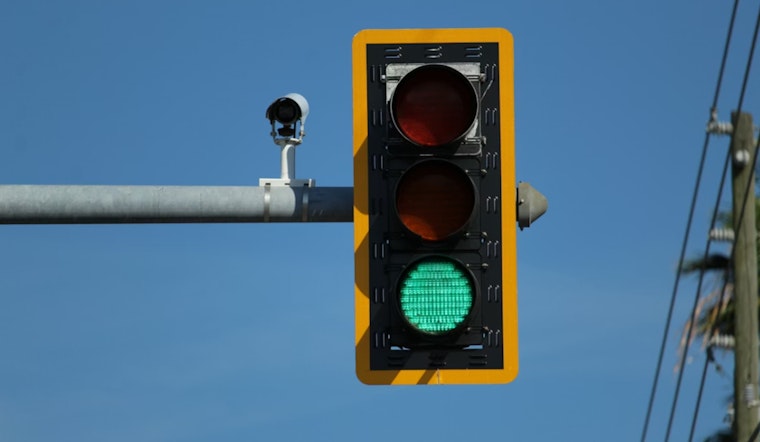
Indianapolis is setting a bold course to eradicate traffic casualties, embracing the 'Vision Zero' action plan with an ultimate goal of eliminating all traffic deaths and serious injuries by 2035. The action plan, over a year in the making, represents a collaboration across city agencies and community input. According to FOX59, the 102-page document details strategies around safe roads, speeds, people, vehicles, and post-crash care prescribed to reshape how residents commute across the cityscape.
The unanimous vote by the Vision Zero Task Force, as reported by WTHR, marks not just an end of planning but the beginning of transformation, with public behavior seen as pivotal for success. Elizabeth Vos, an advocate for traffic safety, emphasized the significance of funding and swift implementation. "If we know that something has been done that works, it would be great to be able to quickly move some resources there so that we can continue to see the increased safety," Vos told WTHR.
Investments towards Vision Zero initiatives have been outlined, including funding for a Fatal Crash Review Team and appropriations for pedestrian traffic rapid responses. As per WTHR, public dashboards and yearly reporting are in the pipeline to track the city's progress alongside a $300 million allocation specifically to pedestrian safety in the recent Capital Improvement Plan.
For many, the stakes are personal. Billie Jean Peterson, who lost the father of her children to a biking accident, expressed her anxiety about street safety in an interview with WRTV. "It’s very dangerous… see?" said Peterson as traffic noise punctuated the background. She hopes the Vision Zero plan translates into tangible changes like more traffic lights and signage to compel drivers towards attentiveness.
According to WRTV, Indianapolis experiences a serious crash every five hours, underlining a demanding road safety situation. With a timeline of just over a decade to meet its 2035 deadline, the city is pressing on with a community-wide call to action, endorsing street redesigns, better visibility for public safety efforts, and an emphasis on shared responsibility for safer commutes.





