

























































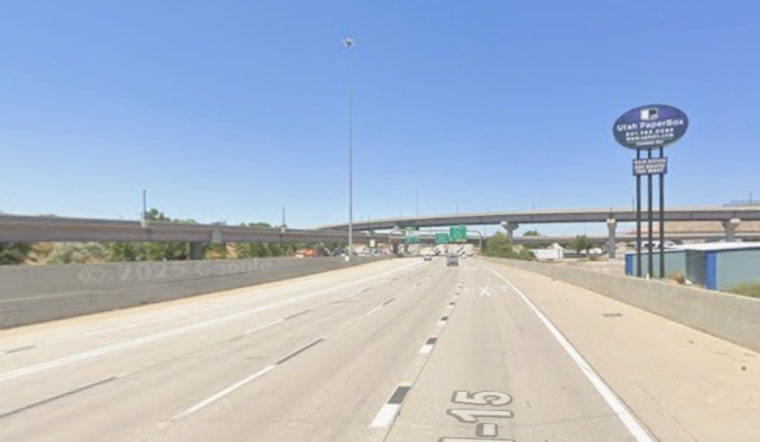
The tragic collision on I-15 that claimed the lives of two teenagers has raised serious questions about the effectiveness of Utah's wrong-way detection system. In the aftermath of the accident, which occurred on Saturday, UDOT officials, alongside Synapse ITS, the parent company of Carmanah, have begun an in-depth investigation into why the system failed to activate. Synapse ITS CTO Josh LittleSun expressed the company's sorrow over the incident and the importance of understanding the malfunction. "We are saddened by this incident, and our thoughts are with the families who lost their loved ones. We are working closely with the Utah Department of Transportation to conduct a comprehensive review to identify factors that may have prevented the wrong-way driver alert from activating," LittleSun said, according to KUTV.
The driver, identified as Jose Jimenez, was arrested under suspicion of driving under the influence when the system designed to deter and alert wrong-way drivers at the offramp at 600 South did not trigger an alert at the traffic operations center, as reported by ABC4. UDOT spokesperson John Gleason explained that the system has a track record of success, having turned around 216 wrong-way drivers since its installation. Despite this, in the fatal November 29 incident, the system did not activate, and this failure is now under scrutiny. "It's far from a perfect system, and we're still looking at all of the nuances of it and making sure that the technology works the way that we want it to work," Gleason acknowledged, as KUTV reported.
Two years ago, Carmanah's WW400 system was installed to curb the incidences of wrong-way driving through the combination of radar technology, high-definition cameras, and high-powered LED signs. Theoretically, upon a wrong-way driver's approach, the radar triggers flashing signs and, if the driver fails to correct their direction, an alert is sent to the traffic operations center, which then dispatches troopers, as per UDOT's standard operating procedure. With the current investigation underway into why the system did not work as intended, further details are being reviewed, including whether the flashes signaling a wrong-way driver were activated, a detail that remains uncertain, according to ABC4.
Moreover, the surviving wrong-way driver, Jose Jimenez, is now facing two counts of automobile homicide and DUI-related charges, described Fox13Now. The loss of 17-year-old Anneka Wilson and 18-year-old Leo Shepherd in the crash has been felt deeply by their community, which has rallied support through a GoFundMe campaign to aid their grieving families. The technology's failure to prevent this tragedy emphasizes the challenges in combating impaired driving, a point stressed by Gleason, who noted, "The bottom line is, all of these ramps are clearly marked. If people are paying attention, they will know they are going the wrong way," information which he conveyed to KUTV.





