

























































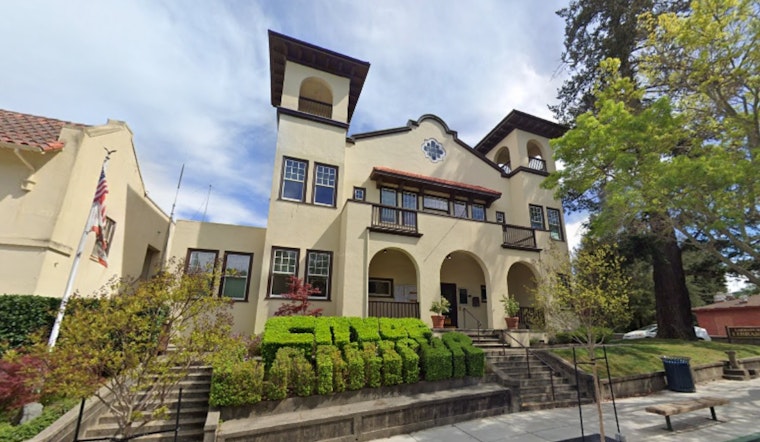
Serenity at Larkspur, the 342-unit apartment complex tucked behind Larkspur Landing, has a new owner after the once-touted middle income project slid into default on the municipal bonds that paid for its acquisition. The sale follows months of tense talks among investors and pointed local questions about whether the complex ever delivered on its promises to working renters while skipping out on millions in property taxes. City officials say the deal changes who owns the place, not the unresolved fights over money and oversight.
Sale details and buyer
In early December, bondholders were informed that Serenity had officially changed hands, with Pacific Multifamily Investors LLC as the buyer, and the sale price was pegged at approximately $170 million. The notice to investors, along with subsequent local coverage, outlined the transaction terms and timing. The Marin Independent Journal reported the sale details and the bondholder notice.
What the city’s review found
Larkspur’s ad hoc committee has been dissecting Serenity’s numbers for more than a year. The group found that a California Community Housing Agency (CalCHA) partnership acquired the property in 2020 and operated it under a welfare exemption that wiped out base property taxes. According to the committee, that break cost local governments about $2.9 million in fiscal 2024 alone and roughly $3 million a year on average, or about $14 million over five years, even as the project missed its targets for renting to middle income households. The City of Larkspur lays out those findings and the recommendation that the city pull out of the CalCHA joint powers authority.
Why the project unraveled
Public filings and analysts point to a cocktail of problems that squeezed Serenity’s cash flow: pandemic-era rent protections, softer market rents in the local submarket, rising maintenance and insurance costs, and storm-driven water damage that forced unexpected capital spending. That combination pushed the property out of compliance with required debt service coverage, triggered draws on reserves and ultimately led to going concern warnings in continuing disclosure filings. Market and municipal bond trackers chronicled the mounting distress and the back-and-forth between bondholders and their advisors. Octus reviewed the EMMA disclosures and flagged Serenity among the projects facing going concern issues.
How the deal was built and who got paid
The original Serenity acquisition used tax exempt, project specific bonds issued through the CalCHA model, marketed as a way to produce “essential” or middle income housing while using a welfare exemption to avoid property tax bills. Critics and some local officials have zeroed in on the sizable fees paid to program administrators and advisors, even as the property underperformed its public policy goals. Trade coverage has scrutinized the fine print of those structures and the revenue streams flowing to private partners. Bond Buyer and other outlets have detailed how the JPA model and bond financing work in practice.
What the sale means locally
For Larkspur residents, the sale closes one chapter but opens a long list of “now what” questions. Local leaders say the immediate issues include whether the Marin County assessor will yank the welfare exemption, how and when jurisdictions might claw back any lost tax revenue, and whether existing regulatory limits that kept annual rent hikes to about 4 percent will survive under Pacific Multifamily’s ownership. The city’s ad hoc committee has urged Larkspur to withdraw from CalCHA entirely and warned that any future restructuring should preserve the complex’s commitments to middle income renters. The City of Larkspur outlines those policy concerns and suggested next steps.
Legal and fiscal stakes
Behind the scenes, the cleanup is likely to be slow and technical. Bondholders, the new owner and local governments now have to navigate trustee actions and borrower remedies under the bond documents, potential challenges to the property’s tax exemption by the county assessor, and unresolved fee and tax disputes that city and county officials have already flagged. Staff are studying their options while a bondholder group, which replaced the previous administrator earlier this year, leads recapitalization and restructuring talks. Observers caution that a sale does not magically erase pending or potential litigation or settle the basic question of whether taxpayers and renters ever got the deal they were promised. Octus and the City of Larkspur provide background on the restructuring discussions.
Representatives for CalCHA, Catalyst Housing Group and Pacific Multifamily Investors did not respond to requests for comment by publication time. City staff say they plan to brief the Larkspur City Council as bondholder negotiations unfold and as the county assessor reviews Serenity’s exemption status.





