

























































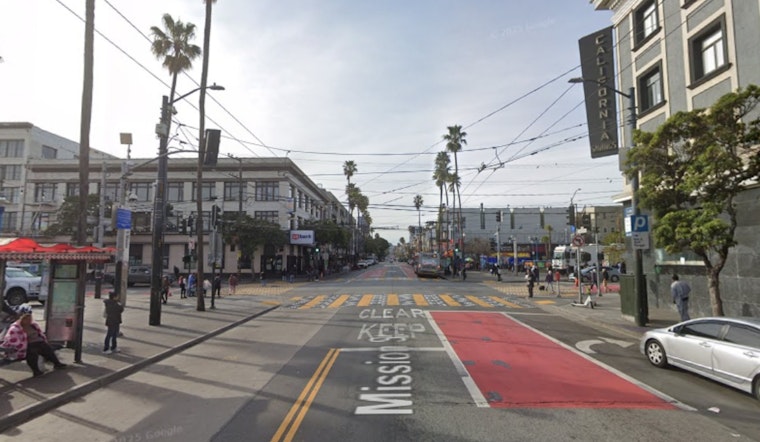
San Francisco quietly signed a half‑year contract this summer with a for‑profit startup run by Arleen and Michael Luong to patrol the chaotic 16th and Mission BART plaza. The company’s white‑vested ambassadors have been credited with sweeping trash, nudging unpermitted vendors to move along, and even reversing overdoses. At the same time, the deal has stirred up sharp questions about training, oversight, and whether the operation should be treated as a licensed security company under state law.
In July, the city awarded Ahsing Solutions a roughly $498,000, six‑month agreement to station ambassadors around 16th and Mission and nearby alleys. Most of the money covers staff pay and operations, with individual ambassadors earning an average of about $26,000 over the contract term, as reported by Mission Local. The contract is part of Mayor Daniel Lurie’s broader push to lean on unarmed community ambassadors, alongside police and outreach workers, to confront open‑air drug markets and unpermitted street vending.
Ahsing and city officials say crews work seven days a week from about 11 AM to 8 PM, and the company told reporters it has logged thousands of interactions since July. That tally includes what it described as roughly 11,500 positive engagements, 550 de‑escalations, 12 overdose reversals, and 925 bags of trash removed, according to The San Francisco Standard. Supporters credit the teams with making sidewalks more accessible for seniors, families, and nearby businesses, while critics argue that raw numbers do not address deeper concerns about displacement and long-term services.
How the City Fast‑Tracked the Deal
The city relied on emergency contracting authority tucked into Mayor Lurie’s “fentanyl emergency” ordinance to move some street‑safety work into place without the usual competitive bidding. According to a Board of Supervisors transcript, the ordinance temporarily suspends standard procurement rules for designated “core initiatives”. It grants the mayor the authority to approve certain contracts outside the normal timeline, as outlined in the San Francisco Board of Supervisors' record. That authority is scheduled to expire on January 8, 2026, unless the board extends it.
What State Law Requires
Under California law, companies that furnish guards or patrols for a fee fall into a distinctly different category from neighborhood volunteers. The state’s Bureau of Security and Investigative Services, or BSIS, sets licensing and training standards for private patrol operators and security guards. On its licensing page, the agency outlines the required company registrations, background checks, and training curricula for individuals performing private-patrol or security functions, along with refresher courses and insurance thresholds, according to BSIS. Lawyers and labor advocates say those rules are intended to protect the public and ensure basic oversight for anyone performing enforcement-related work on behalf of a paying client.
Neighbors and Merchants Say It Is Working
Merchant groups and many nearby residents have been vocal supporters of the new presence, saying that the sidewalks feel safer and that ambassadors are an easier first point of contact than police for everyday neighborhood problems. Mayor Lurie has framed the program as part of a broader plan to “bring critical services directly to the people who need them,” as reported by the San Francisco Chronicle. Some labor and advocacy groups counter that short contracts and relatively low pay can hide larger gaps in shelter, treatment, and long‑term support for the very people ambassadors encounter.
What Is Next for the Contract
The Luongs’ company has already been floated for a longer, multi-year extension, reportedly worth about $2.2 million over two and a half years. Mission leaders and city officials have been debating whether the pilot should be scaled up, according to The San Francisco Standard. The Mission Merchants Association has urged the city to continue funding the teams, while oversight advocates argue that any expansion should include firmer rules on training, transparency, and insurance. The Board of Supervisors and the mayor’s office now face pressure to balance visible street improvements with those accountability demands.
Legal Implications
If regulators or courts determine that the ambassadors’ duties overlap with “security” work, such as continuous patrols or other functions the state defines as private-patrol services, the company or the city could face regulatory penalties or liability related to inadequate training or insurance. BSIS materials make it clear that firms providing private-patrol services must register, and that individual workers must meet criminal-background and training requirements. Legal advisers say that failing to follow those rules can expose contractors and their public clients to civil actions, according to a legal primer from Liebert Cassidy Whitmore. For now, city officials and Ahsing describe the teams as focused on “safety” rather than security. Still, that distinction could face a serious test if the program expands or a major incident were to occur.





