

























































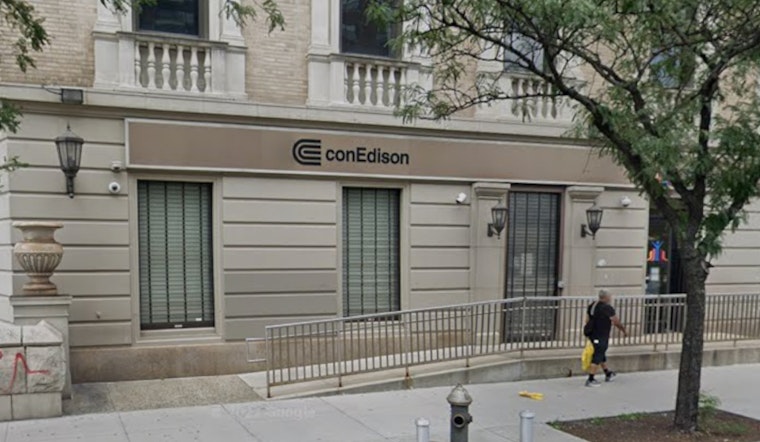
As the new year approaches, New Yorkers are preparing for the financial effects of back pay owed to Con Edison. A delay in the state Public Service Commission’s approval of rate increases means that once the new rates are finalized, they will be applied retroactively to January 1, according to Gothamist. Although negotiations resulted in a reduction of the proposed increases, state Sen. Shelley Mayer stated that, over a three-year period, the adjustments still represent a significant rise in electric and gas delivery rates for ratepayers.
Adding to concerns, New York’s Independent System Operator has highlighted the potential for blackouts due to rising electricity demand and declining fossil fuel generation capacity, prompting the Public Service Commission to require Con Edison to submit a plan to maintain grid reliability, as reported by the New York Post. Governor Kathy Hochul acknowledged the risk of shortages, stating that she does not intend to allow rolling blackouts or gas outages, while her administration works to address both the reliability projections and the political implications of increasing electricity prices.
The rate increase process has experienced multiple delays, with the Public Service Commission allowing Con Edison to bill customers at current rates only through February. This has left uncertainty over when the new rates will take effect and their overall cost. Rates were not approved until July, and a procedural vote last week permits Con Edison to continue billing at current rates through the end of February. To provide some financial relief, Mayer has proposed legislation to limit how much utilities can collect retroactively in such cases. Ian Donaldson of the Public Law Utility Project told Gothamist, “We believe the customer should ultimately be held harmless.”
Amid economic and infrastructural uncertainties, customers facing high energy bills are directed to programs such as HEAP, which provides financial assistance for heating and cooling. At the same time, concerns remain about the grid’s ability to meet peak demand this coming summer. PSC Chairman Rory Christian emphasized the importance of thorough planning for reliability in New York City, stating, “Given that fact, it is critically important that we turn over every stone to fully understand and plan for any reliability needs in our largest metropolitan area,” in a statement obtained by the New York Post.


