

























































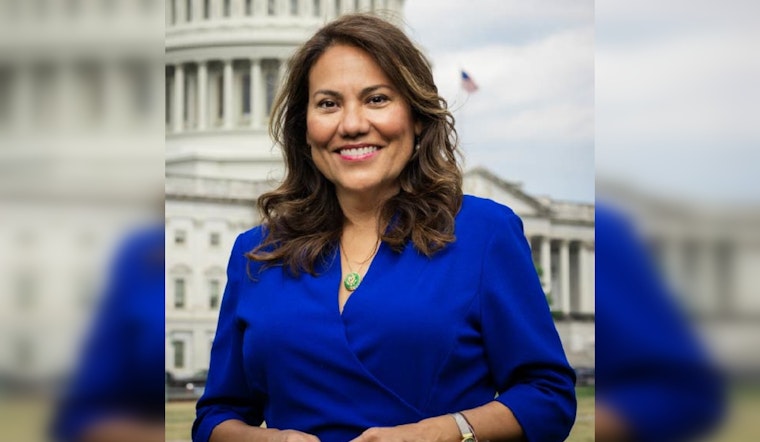
In an unexpected move, Congresswoman Veronica Escobar, representative of Texas' 16th congressional district, cast a dissenting vote against the Fiscal Year 2026 National Defense Authorization Act (NDAA). Escobar expressed her rationale in a statement, where she talked about the significance of the bill for her constituency and for the nation's defense forces, but underlined her reasons for opposition. "The annual National Defense Authorization Act has always been the product of serious bipartisan negotiation, leading to a bill that prioritizes our service members, their families, and our national defense," Escobar said, according to a statement on her official website.
The congresswoman highlighted the accomplishments in this year’s NDAA, emphasizing its benefits for service members and the El Paso community. However, Escobar took a stand against provisions she found objectionable. "Despite great effort to strip the bill of poisonous provisions, Republicans successfully used this bill as a vehicle for their culture wars and propaganda, continuing to marginalize members of the LGBTQ+ community in our military, and have allowed Donald Trump’s misuse of our military for his immigration enforcement abuses to be codified into law," she explained, as per the Office of the Congresswoman.
This decision underscores a tension many legislators face, balancing legislative wins with broader policy disagreements. "I don't take a no vote lightly, particularly when a piece of legislation has the ability to do so much good. This legislation still contains some major wins for service members, families, and institutions like UTEP that I helped secure, but I refuse to be a part of a voting bloc that enables the Trump Administration to expand its abuse of our military, making it an arm of the Department of Homeland Security," Escobar outlined in her statement. For further information about Congresswoman Escobar's previous work on the NDAA, her office has provided links to her contributions in the Fiscal Year NDAA, dating back to the FY 2020 document.





