

























































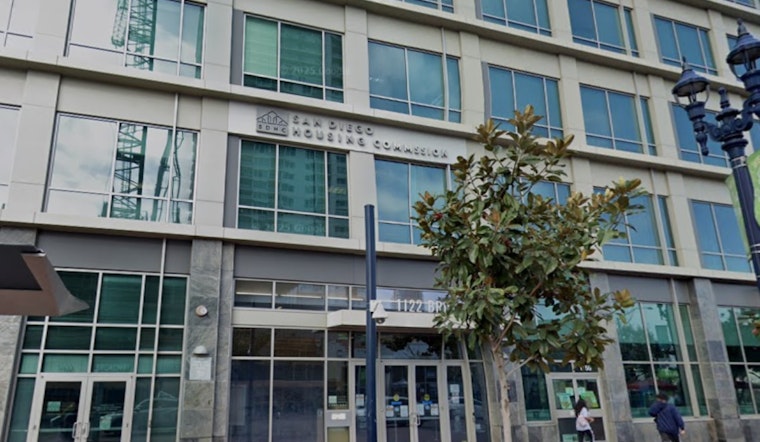
San Diego’s housing officials have signed off on a major shakeup to the city’s Section 8 Housing Choice Voucher program that will leave many low-income renters paying more out of pocket. The San Diego Housing Commission (SDHC) voted Thursday to shift a bigger share of rent costs onto voucher holders in an effort to close a widening funding gap and keep the program afloat. The move affects thousands of households citywide that depend on federal assistance to hang on in an increasingly brutal rental market.
Commission OKs changes at Dec. 11 meeting
At its Dec. 11 meeting, the commission approved a slate of changes to how the voucher program works, including new rules for how much tenants must chip in toward rent, as reported by CBS 8. Commissioners and staff cast the vote as a tough but necessary budget fix meant to stretch limited federal dollars and avoid cutting families from assistance altogether. The decision followed months of staff briefings and a public comment period on SDHC’s proposed Moving to Work (MTW) plan amendment.
Why SDHC says it had to act
In its proposed MTW amendment, SDHC points to rising rents and flat federal funding as the one-two punch driving the voucher program into a deepening deficit. If nothing changed, the agency warns, the shortfall could eventually force it to remove roughly 1,700 families from the program. Documents from SDHC show staff recommended policy updates designed to keep as many current recipients housed as possible. Agency leaders acknowledge the higher tenant contributions will sting, but argue they are still preferable to sudden voucher terminations.
Who will pay more
Under the approved approach, work-capable voucher households could be required to put between 30% and 40% of their income toward rent, while seniors and people with disabilities would see their share climb to about 32% from roughly 28.5%, according to KPBS. ABC 10News estimated that switch could translate to roughly $300–$600 more per month for many households, depending on unit size and neighborhood. Those jumps are poised to hit hardest in high-rent parts of the city where voucher payment standards already lag well behind actual market prices.
Advocates warn of hardship
Developers and housing advocates are sounding the alarm, arguing the changes will pile new financial pressure on renters who are already stretched to the breaking point. They also warn the policy shift could complicate financing for affordable housing projects that rely on voucher support to pencil out. Local coverage has tracked how tight voucher supply and rising subsidy costs have been slowing the pipeline for deeply affordable units, and critics fear this latest move will only add friction. Advocates are pressing SDHC to match any rent hikes with robust hardship waivers, job and income supports, and expanded move-in assistance for those who need to relocate.
What comes next
According to SDHC planning materials and local reporting, any approved changes are expected to roll out gradually rather than overnight. The agency is eyeing a phase-in that would likely start in late 2026 or early 2027, giving households some time to brace for higher rent bills. KPBS noted that SDHC has pledged to provide lengthy advance notice and targeted relief for the most vulnerable participants. Advocates say that kind of lead time, paired with meaningful exemptions, will be crucial to preventing a spike in evictions and housing loss.
Where renters can turn for help
SDHC says it will roll out information and resources for households caught in the transition. Tenants with questions can call the commission at 619-231-9400 or review voucher program details on SDHC’s website. The agency’s rent-assistance pages outline recertification rules, security-deposit loan options and other programs that could soften the blow of higher contributions. Tenants and service providers are being urged to reach out early to legal-aid groups and housing counselors if they see trouble coming with future rent payments.
Bottom line
The commission’s vote marks a significant shift in how San Diego funds its rental assistance safety net and lays bare the collision between runaway rents and static federal support. Officials describe the overhaul as an unpleasant but necessary step to keep vouchers in play for as many families as possible. Tenant advocates counter that the real test will be whether notices, exemptions and support services actually reach the people who can least afford a misstep. In the months ahead, all eyes will be on SDHC’s formal notices and on the U.S. Department of Housing and Urban Development’s review as the implementation timetable locks into place.



