

























































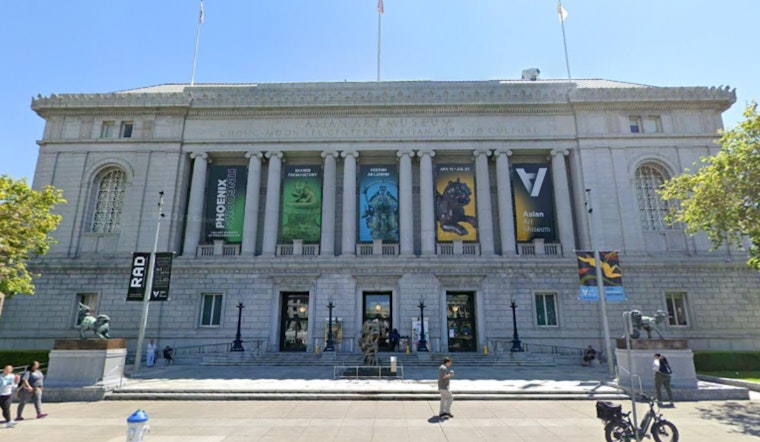
The tug of war over ownership of cultural treasures has shifted in favor of historical integrity this week, as San Francisco's Asian Art Museum has returned four ancient Thai bronze sculptures to their homeland. The handover marks the end of a shady saga involving the illegal art trade and a half-century of Western possession. The Asian Art Museum announced the official transfer in a ceremony attended by dignitaries from both the U.S. and Thailand, including H.E. Dr. Suriya Chindawongse, Thailand’s ambassador to the U.S., and San Francisco Mayor London Breed, according to the Asian Art Museum's press page.
These bronzes, which have to learn to adapt to their surroundings quickly, are survivors of looting dating back to the 1960s from Thailand's ancient temple sites. They inadvertently journeyed through the art markets before being snagged by Avery Brundage, the museum's founder. Decades down the line, the sculptures' dubious provenance was highlighted through an investigative partnership involving U.S. Homeland Security and Thai researchers, linking the pieces to indicted art trafficker Douglas Latchford, as reported by the San Francisco Chronicle.
It was a significant diplomatic and cultural dance to bring the bronzes home, with museum staff, alongside the San Francisco City Attorney, advocating for cooperation with Thai authorities. The Asian Art Commission voted unanimously not once, but twice—the final nod coming on April 22, after a mandatory six-month review—to support repatriation efforts. Museum Director and CEO Soyoung Lee dubbed the event "the result of careful research, mutual respect, and a shared commitment to doing what is right," according to the Asian Art Museum's press release.
Despite probably not wanting to part with the artifacts, the museum's efforts highlight an increasing global awareness around cultural patrimony and the importance of rightful ownership. Natasha Reichle, associate curator at the museum, reflected on the return process, acknowledging Thai scholars for shedding light on the sculptures' origins and the role locals played in the recovery, as she told the San Francisco Chronicle. The final steps will now be carefully coordinated between Thai authorities and Homeland Security Investigations, ensuring the artifacts safely return to their place of origin.





